French Bulldog
Small, charming, low-exercise — perfect city companion. Significant breed health risks to be aware of.
The French Bulldog was originally a smaller version of the English Bulldog kept by Nottingham lacemakers, who took them to France during the Industrial Revolution. Today the "Frenchie" is one of the most popular breeds in the world, prized for being adaptable, affectionate and famously low-exercise. The downside: their flat face causes serious lifelong breathing and heat-tolerance issues that every owner needs to understand.
Temperament
Affectionate, mostly quiet (rarely bark), playful. Frenchies thrive on close company and dislike being alone. They're generally good with children and other pets but can be stubborn — short training sessions and food rewards work best.
Exercise needs
Just 20–30 minutes of light walking daily, split into shorter bouts. Frenchies cannot regulate their body temperature efficiently — never walk them in heat (above 22°C) or strenuously. They're poor swimmers; never leave one near a pool. Mental enrichment matters more than physical exertion.
Grooming
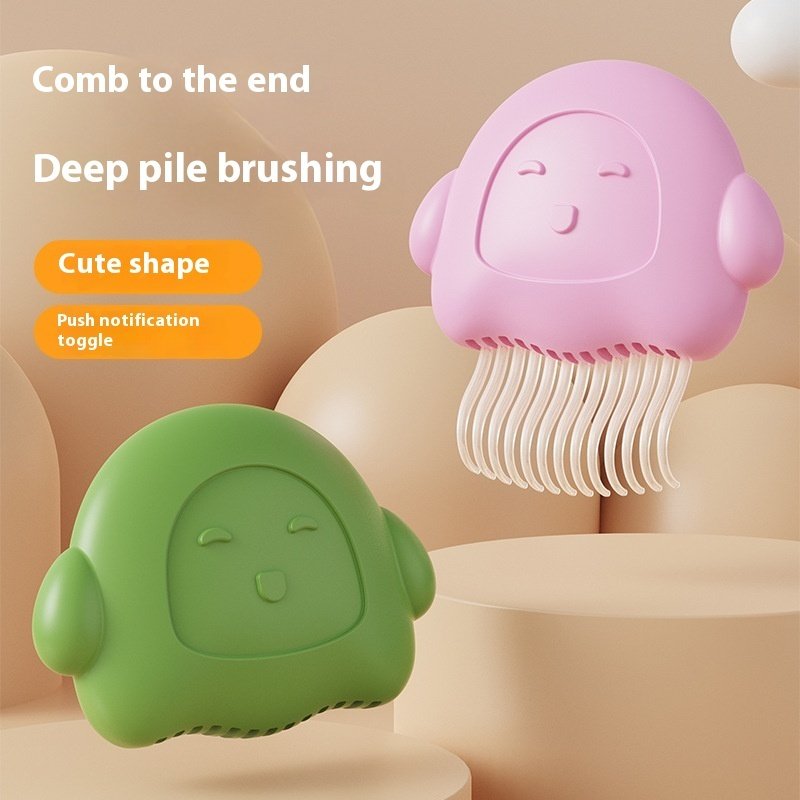
Short, smooth coat needs only a weekly brush. Pay close attention to skin folds (especially the nose roll) — clean and dry weekly to prevent dermatitis. Frenchies are prone to allergies; a balanced diet and limited bathing (every 6–8 weeks) help.
Common health issues
Brachycephalic Obstructive Airway Syndrome (BOAS) — many need surgery to widen nostrils and shorten the soft palate. Spinal issues (intervertebral disc disease, hemivertebrae). Heat stroke. Skin allergies. C-section delivery is almost universal. Insurance is significantly more expensive than most breeds.
👍 Best for
Apartment dwellers, families with older children, owners who can afford insurance and surgery, anyone home most of the day.
👎 Not best for
Hot climates, owners who exercise vigorously, anyone on a tight veterinary budget.
Products for French Bulldog owners