Foraging toys
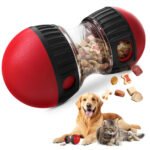
Hide food + treats inside cardboard / paper / wicker. Wild birds spend 60% of their day finding food. Captive birds get a bowl of pellets in 30 seconds — nothing to do for the next 23 hours. Foraging toys close the gap.

🦜 Bird toys
Captive birds are intelligent wild animals, not ornaments. Without 4–6 hours of daily mental stimulation, they self-pluck, scream, and develop stereotypies that no medication fixes. Toys aren't cute extras — they're the difference between a healthy bird and a miserable one. Here's what works, by species size.
Photo: Anthony 🙂 / Pexels
Hide food + treats inside cardboard / paper / wicker. Wild birds spend 60% of their day finding food. Captive birds get a bowl of pellets in 30 seconds — nothing to do for the next 23 hours. Foraging toys close the gap.
Palm leaf, balsa wood, paper rolls, vegetable-tanned leather strips. Birds NEED to chew — beak maintenance + emotional outlet. Replace as destroyed (the destruction IS the point). Cheap to make from clean cardboard rolls + plain paper.
Small handheld objects birds manipulate with their feet. Wooden blocks, nut beads, plastic chains. Essential for parrot species (cockatiels, conures, greys). Budgies + finches less interested. Cheap + a great variety filler.
Lock boxes, slider puzzles, screw-cap food containers. Top tier for greys, cockatoos, macaws — these birds have the cognition of a 3–5 year-old child. Caitec, Creative Foraging Systems are reliable brands.
Single bird + mirror: mirror becomes obsessive "mate", causes infertile-egg cycles in females + aggression. Multi-bird flock + mirror: usually fine, less obsession. General advice: skip mirrors, especially for solo budgies.
Keep 5–7 toys in the cage at any time, swap 2–3 each week. Birds get bored of "the same toy" within days but rediscover it 4 weeks later as if it's new. Always-out toys = ignored toys.
Toy size MATCHES bird size. A budgie can hang itself in a parrot toy. A grey will demolish a budgie toy in seconds + swallow chunks. Avoid: small metal jingle bells (zinc + lead poisoning), key-ring style metal clasps (toe-trapping), open chains (toe-amputation).
Mirrors for solo birds (obsessive bonding). Heavy metal alloys (zinc/lead poison). Sponge-like materials (swallowed = blockage). Cotton rope (entanglement, ingestion). Cooked dough toys. ALL non-stick / Teflon / PTFE coated items anywhere in the home (kills birds).
Hide pellets + veg in cardboard tubes, weave through cage bars, cover with paper. Birds work for it = mental enrichment + healthier eating pace. Goal: 60–90 minutes of daily foraging time, mimicking wild behaviour.
Toilet roll tubes (plain only — no glued ends), brown paper bags, plain wooden ice-pop sticks, dried palm leaves, untreated wicker baskets. Free, replaceable, often preferred. Bird-safe = unbleached, untreated, no inks.
Toys in the cage aren't enough. Parrot species need 2–4+ hours/day out of cage in a bird-safe room — flying, climbing, training, social interaction with you. Cage = bedroom, not living room. Single-room time + quality interaction is the #1 lever for behaviour.
Alleavia doesn't stock or ship pet supplies. Our breed-matched buying guides pick the right bird toys gear and link out to Amazon — and the calculators, breed guides and AI vet tools below are always free.
No. Most parrot species (budgies, cockatiels, lovebirds, conures) are flock animals — solo with toys is loneliness with distractions. Either commit to 4+ hours of direct human interaction daily, or get a same-species companion. Self-plucking + screaming + stereotypies are how solo neglected birds break.
A solo budgie sees the mirror reflection as a permanent flock-mate that never speaks back. Causes obsessive bonding, infertile-egg cycles in females, aggression to humans, and prevents bonding with real companions. Multi-bird flocks tolerate mirrors better. The safer rule: skip mirrors entirely.
5–7 in rotation, with 2–3 swapped weekly. Categories: at least one foraging, one shredding, one chewing, one foot toy, one perching/swinging. Plus daily fresh DIY enrichment (cardboard tube with pellets in it, etc.).
Normal. Place new toy outside the cage for a day, then on top of the cage for a day, then near the food bowl. Some birds (greys especially) need 1–2 weeks to accept new objects. Pretend to "play with it" yourself — works surprisingly often (curiosity > fear).
Join 1,000+ Irish pet owners getting our weekly tips, food recall alerts and breed deep-dives. Unsubscribe in one click.
No thanks, I'll find my own way →
By subscribing you agree to our Privacy Policy. We never share your email.