Stainless steel cups
The default. 304-grade stainless, dishwasher-safe, doesn't harbour bacteria. Twist-lock or hook-on. Two for food, two for water (one each side of cage). Plastic cups scratch + harbour pseudomonas — only stainless or ceramic.

🥣 Feeders + waterers
Pet birds die more often from dirty water bowls than from any single disease. Bacteria + droppings + food debris turn a bowl into a soup in 6 hours, especially in summer. Get the right hardware + a daily routine and you eliminate one of the biggest avoidable killers in captive birds.
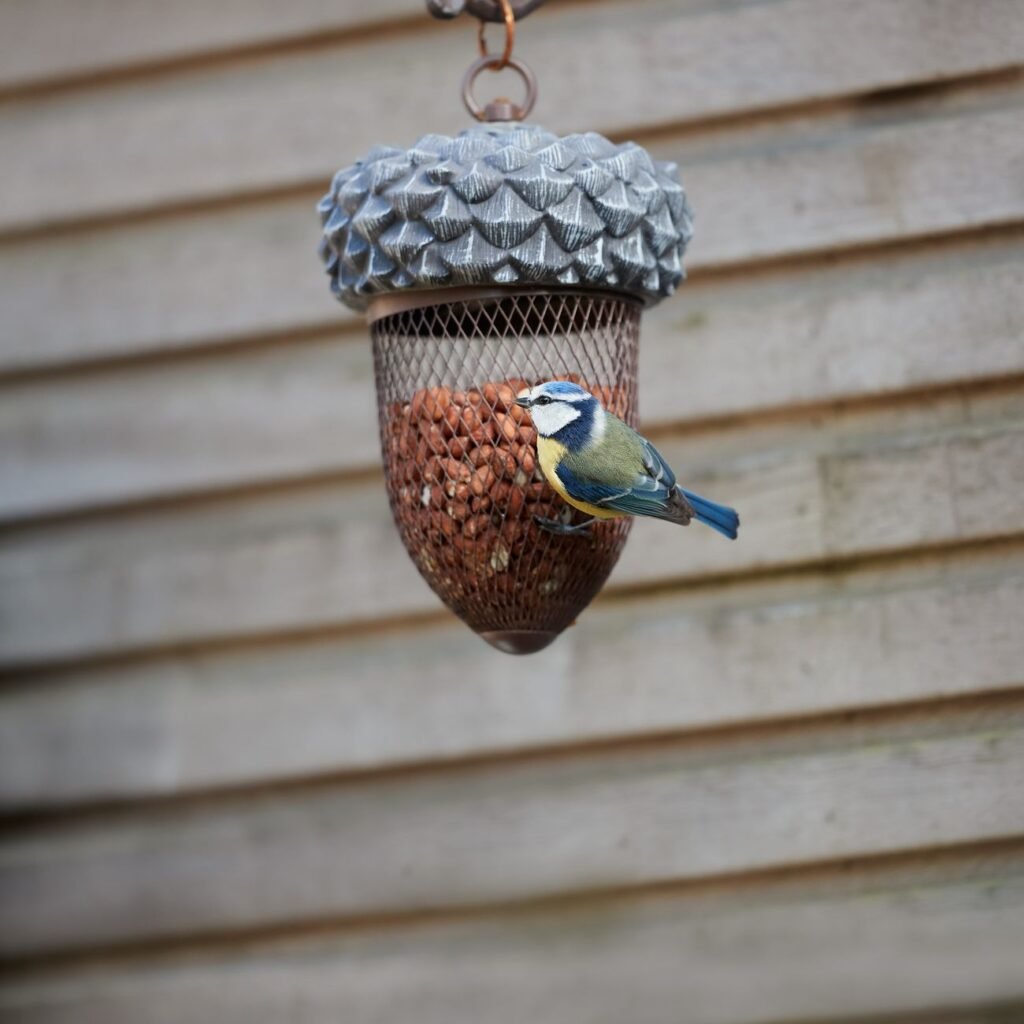
Photo: Erwin Bosman / Pexels
The default. 304-grade stainless, dishwasher-safe, doesn't harbour bacteria. Twist-lock or hook-on. Two for food, two for water (one each side of cage). Plastic cups scratch + harbour pseudomonas — only stainless or ceramic.
Heavy + hygienic if glaze intact. Pretty but breakable. Lead-free certified glaze only — older imports can have lead glaze that leaches with acidic foods. Replace if cracked. Often used for "treat day" rather than primary feeders.
Like a hamster bottle but bigger. Pros: no droppings in water, slow contamination. Cons: most birds prefer drinking from a dish, takes training to switch. Test by offering both for a week — let bird choose. Clean ball valve daily (top failure point).
Birds need to bathe — feather health, mite control, hydration via uropygial gland activation. Shallow heavy ceramic dish 2–3× weekly, or warm-water spray bottle (mist, never direct stream at the head). Most birds love it; some hate it — try both.
Slow-feed designs that make birds work for food. See bird-toys page. Best replacement for one of two food cups — half the diet via working, half via standard cup. Massive enrichment win at zero ongoing cost.
Tap water in a bowl gets visibly fouled within 6–12 hours (food crumbs, droppings, bath water). Change + rinse bowl with hot water DAILY minimum. Full scrub with hot soapy water 2–3× weekly. Dishwasher hot cycle = ideal weekly deep-clean.
A bowl directly under a perch will collect droppings within an hour. Position water + food cups at perch-side height, NOT below another perch. Cage design with side-mounted cup holders is the safest layout.
Pellets + seed: leave all day. Fresh fruit + veg + sprouts: remove after 2–4 hours (4 in winter, 2 in summer). Salmonella + E. coli grow fast in warm cages. Birds happily eat spoiled food — they don't self-protect like mammals.
Coloured "vitamin water" sticks: bacteria food + unnecessary if diet is right. Mineral grit (insoluble): not needed by parrot species (they shell their seeds), can cause crop impaction. Soluble grit (oyster shell, cuttlebone) is fine + provides calcium.
Two bowls minimum per pair, three for 3+ birds — at opposite ends of the cage. Prevents resource guarding + ensures the lower-rank bird eats. One feeding station = one bird eats well, the other gets thin.
Plain lukewarm water, shallow dish 2–3× weekly. OR room-temp water spray bottle, fine mist over the back (not face). Never bird-safe shampoo unless oiled by accident — strips natural feather oils. Bath time should leave bird preening for 30+ min after — sign of success.
Alleavia doesn't stock or ship pet supplies. Our breed-matched buying guides pick the right feeders and waterers gear and link out to Amazon — and the calculators, breed guides and AI vet tools below are always free.
Daily, minimum. In Irish summers + warm rooms, 2× daily for low-volume cups. The bowl ALSO needs scrubbing daily (rinse + wipe with hot water), and a full soapy scrub 2–3× weekly. The cleanest-looking water can have a thick biofilm under the surface.
Irish tap water is fine for budgies, cockatiels and most parrots — chlorine evaporates within an hour in an open bowl. If your area has very hard water, a filtered jug is fine. NEVER softened water (sodium too high) and NEVER distilled (lacks minerals).
Yes. Some birds never learn the bottle, and dehydration risk outweighs hygiene benefit. Offer both side-by-side for 1–2 weeks; if the bird stays on the bowl, accept it and just change the bowl twice daily. Hygiene comes from cleaning routine, not bottle vs bowl.
2–3× per week minimum. Birds bathe themselves naturally + need it for feather health + skin moisture (especially in central-heated Irish homes — very dry indoor air). Shallow heavy ceramic dish, or fine spray bottle. Most birds genuinely enjoy it once they know it's safe.
Join 1,000+ Irish pet owners getting our weekly tips, food recall alerts and breed deep-dives. Unsubscribe in one click.
No thanks, I'll find my own way →
By subscribing you agree to our Privacy Policy. We never share your email.