Bengal
Wild-looking, athletic, demanding. Bred from Asian Leopard Cat × domestic — needs an active home.
The Bengal cat was developed in the 1960s by crossing the Asian Leopard Cat with domestic shorthairs to produce a domestic cat with a wild appearance. Modern Bengals (4+ generations from the wild ancestor) are fully domestic in temperament — but retain extraordinary athleticism, intelligence and a need for stimulation.
Temperament
Bold, curious, demanding, vocal. Bengals form deep bonds but are not lap cats — they're busy. Most enjoy water, fetch and harness walks. Without enough stimulation they invent destructive games.
Exercise needs
High. Need a "catio" or large indoor enclosure, multiple cat trees, interactive toys, food puzzles. Many do well with another energetic cat.
Grooming
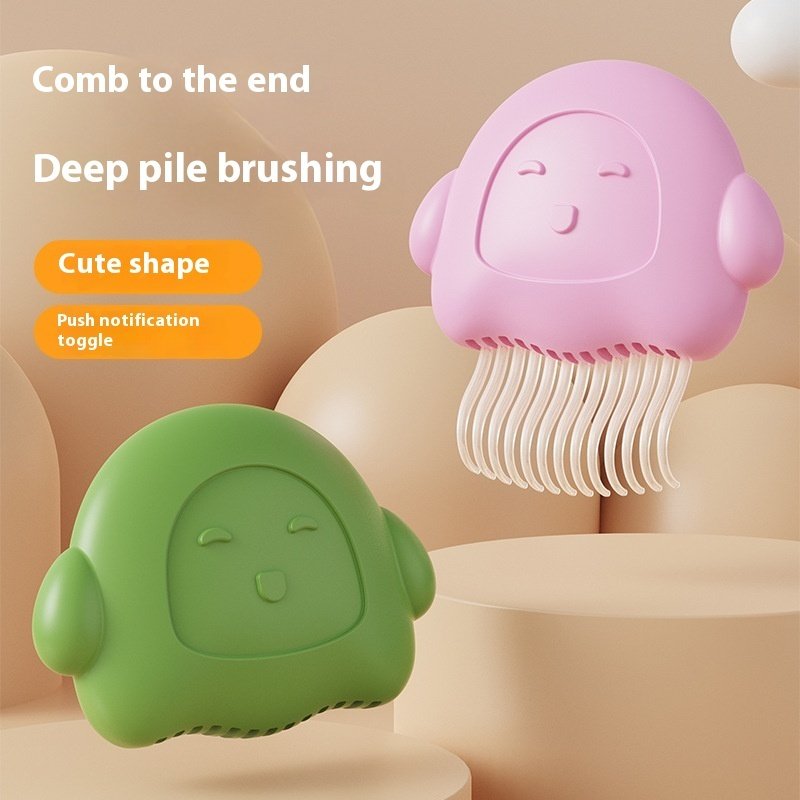
Short, glittery coat. Weekly brushing is enough.
Common health issues
Hypertrophic cardiomyopathy (HCM — DNA test). Progressive retinal atrophy (DNA test). Pyruvate kinase deficiency (DNA test). Generally robust.
👍 Best for
Active owners, owners home a lot, multi-cat households (with another active cat).
👎 Not best for
Quiet households, first-time cat owners, apartments without enrichment.
Products for Bengal owners