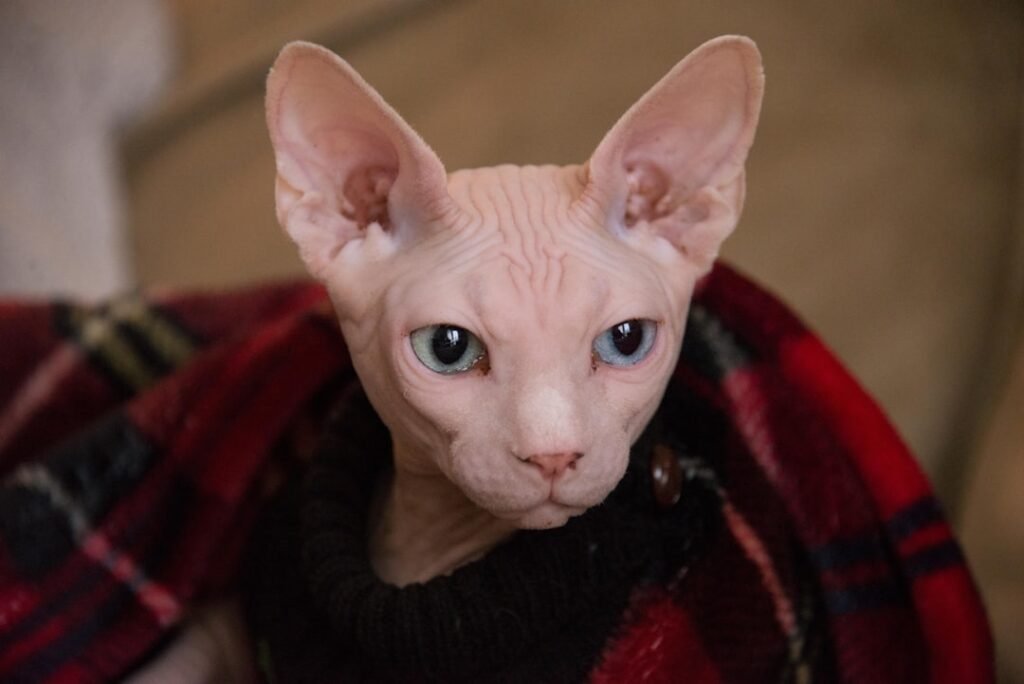
 Sphynx
Hairless, warm, intensely social. Not low-maintenance despite the lack of fur.
Photo: Dan Wayman / Unsplash
The Sphynx is a near-hairless breed developed in 1960s Canada from a natural mutation. They're famously affectionate, social and warm to the touch (running about 4°C above other cats). The lack of fur reduces some allergens but Sphynx still produce dander and saliva proteins, so they're not fully hypoallergenic.
Temperament
Energetic, mischievous, intensely social, attention-seeking. Sphynx cats often follow their humans like dogs and can be jealous of a single owner's attention.
Exercise needs
Very active. Need play, climbing, mental enrichment. Many do well with another cat for company.
Grooming
Surprisingly high. Weekly bathing is essential — skin oils that fur normally absorbs build up on the skin. Wipe ears weekly. Sphynx feel cold easily and may need sweaters in winter.
Common health issues
Hypertrophic cardiomyopathy (HCM — DNA test). Skin issues. Heat sensitivity (sunburn risk). Dental disease.
👍 Best for
Indoor-only homes, owners who want a warm interactive cat, allergy-sensitive families (test first).
👎 Not best for
Cold homes, owners who travel often.
Buying guides for Sphynx owners
Recommended for Sphynx owners

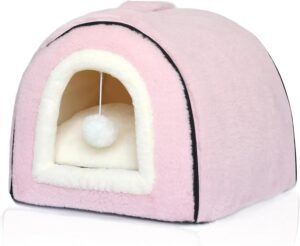


Buying guides for Sphynx owners
Compare Sphynx with…
Similar breeds
Siamese
Talkative, intelligent, intensely bonded. The vocal aristocrat of the cat world.
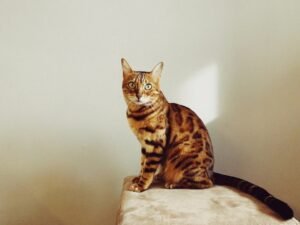
Bengal
Wild-looking, athletic, demanding. Bred from Asian Leopard Cat × domestic — needs an active…
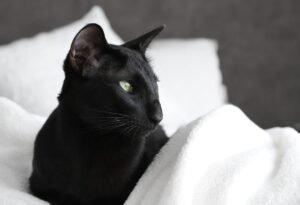
Oriental Shorthair
Siamese in 300+ colours and patterns. Talkative, slim, intensely social.
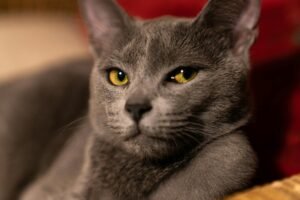
Russian Blue
Quiet, elegant, often well-tolerated by allergy sufferers. Long-lived and undemanding.