Y-front harness (gold standard)
Strap forms a Y on the chest — leaves shoulder blade free. Perfect Fit, Ruffwear Front Range, Hurtta Active are gold-standard. Daily use for any breed, any size. The only style we'd recommend for a growing puppy.
🦺 Harnesses
A good harness saves the trachea, helps with pulling, and gives you a safe handle. A bad one restricts the shoulder, encourages pulling, or cuts under the armpit. Most harnesses sold in pet shops are the wrong shape. Here's how to spot a Y-front design and avoid the ones that damage gait long-term.
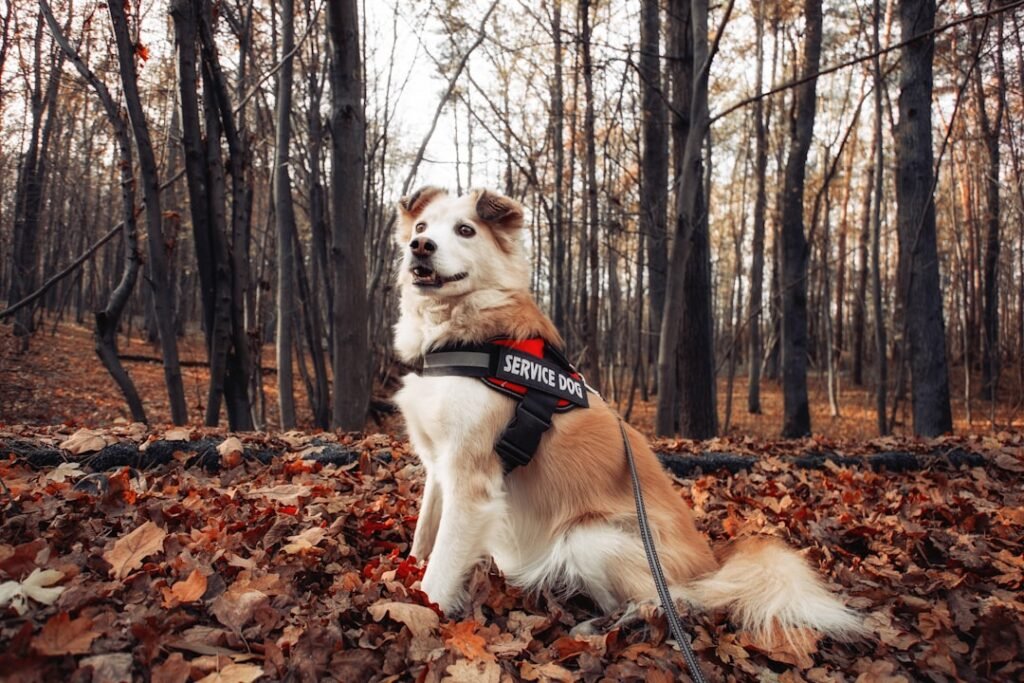
Photo: Janusz Walczak / Unsplash
Strap forms a Y on the chest — leaves shoulder blade free. Perfect Fit, Ruffwear Front Range, Hurtta Active are gold-standard. Daily use for any breed, any size. The only style we'd recommend for a growing puppy.
Lead clips on the chest ring — pulling turns the dog sideways, not forwards. Brilliant management tool for pullers (Halti Front Control, Wiggles Front-Clip). NOT a training fix on its own — combine with loose-lead training.
Dog steps in with paws, you click on top. Quick to put on, but most have horizontal chest straps that cross the shoulder blade — long-term gait restriction. OK for adult, casual walks; avoid for growing dogs and pullers.
For senior dogs, post-surgery dogs, dogs with hip dysplasia or spinal issues. Padded handle on the back lets you support the back end up stairs and into the car. Help 'Em Up, Ruffwear Doubleback. Worth every euro for an older big dog.
Required by Irish Road Traffic Act. Must be CPS-certified or TÜV-tested for crash forces — not the €15 nylon "car harnesses" sold by supermarkets, those snap. Sleepypod Clickit Sport, ZuGoPet are the proven options. Use the seatbelt loop, not a tether.
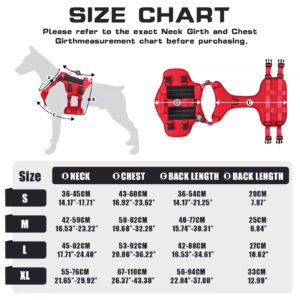
Wrap soft tape around the deepest part of the chest, just behind the front legs. Measure neck at base. Buy by measurement, not "size M". Most returns are guessed sizes — every brand sizes differently.
Lift the front leg forward — the chest strap MUST sit below the shoulder blade, not across it. A strap across the shoulder restricts gait, causes muscle imbalance and over months damages joints, especially in growing puppies.
You should fit two flat fingers under any strap. Tighter = chafing, restricts breathing on a fast dog. Looser = escape risk + the harness slides forward when the dog pulls. Re-check fit monthly on growing dogs.
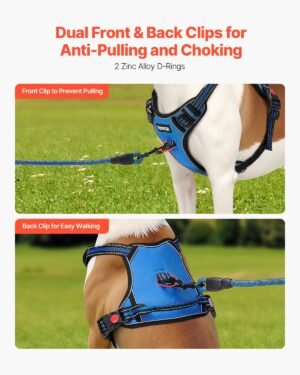
Best harnesses have two attachment points — back clip for casual walking, front clip for training pullers. A double-ended lead (one clip on each) gives the most steering control without correction.
Irish wet weather rusts cheap hardware in 6 months. Hand-wash monthly, check D-rings + buckles for stress fractures. Replace at the first sign of bent hardware, frayed webbing or stretched strap. A failure during a lunge is how dogs end up under cars.
Showing all 3 results
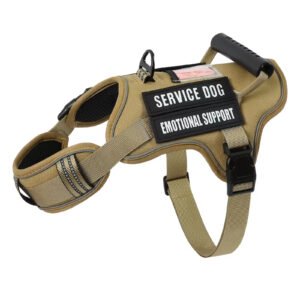
Harness for the lead, collar for the ID. Walking on a flat collar is fine for non-pullers; pulling on a flat collar can damage the trachea, thyroid and cervical spine over time. A Y-front harness is the safer default and a non-negotiable for puppies.
Only the wrong harnesses (back-clip only, with horizontal chest straps that act like a sled-dog rig). A correctly fitted Y-front with front-clip option does not encourage pulling — and the lead position teaches loose-lead naturally. Pulling is a training issue, not a harness issue.
Every 12–24 months for daily use, sooner if you see fraying webbing, bent D-rings or a stretched chest strap. Crash-tested car harnesses must be replaced after any collision — even minor ones — same as a car seatbelt.
No — only for the walk. Constant wear flattens fur, causes rub spots in the armpit, and traps moisture (hot spots in summer). On + off with the lead, like a coat. The exception: mobility harnesses on senior dogs may stay on if the dog is comfortable and the fit is loose.
Join 1,000+ Irish pet owners getting our weekly tips, food recall alerts and breed deep-dives. Unsubscribe in one click.
No thanks, I'll find my own way →
By subscribing you agree to our Privacy Policy. We never share your email.