Dog Collars And Leashes

๐Ÿฆฎ Collars + leashes

Dog collars & leashes โ€” pick the right combo

A collar is your dog's ID badge โ€” and in Ireland, the Control of Dogs Act requires it to carry your name + address whenever the dog is in a public place. The leash is your safety line. Cheap nylon stretches, hardware fails, and the wrong type can damage a trachea or escape a nervous dog. Here's how to pick a setup that holds up.

What we'll be stocking

Which collar / leash type?

Flat collar (buckle / quick-release)

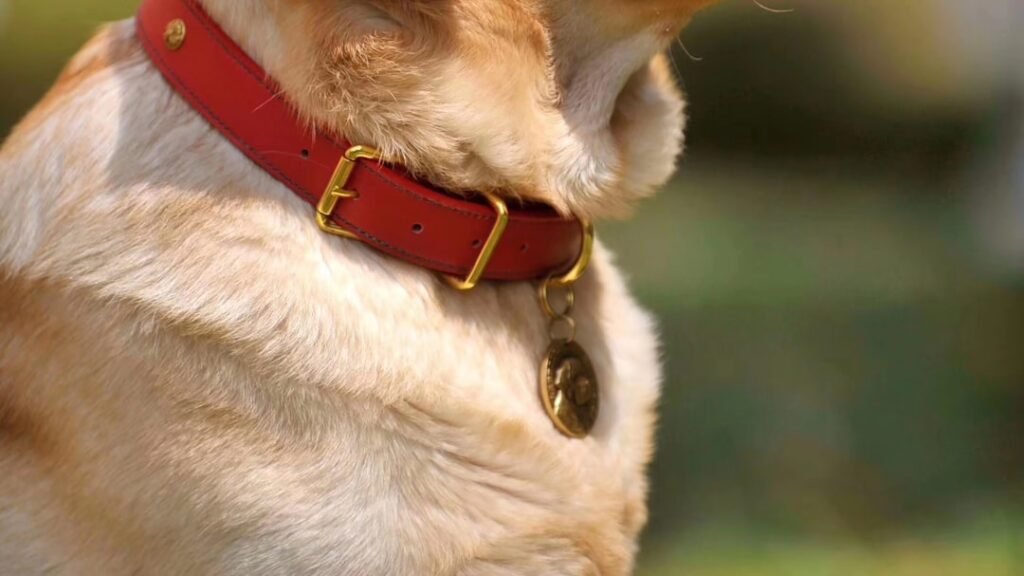
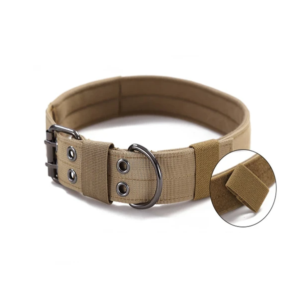
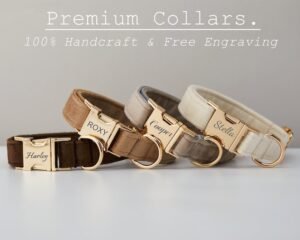
The default everyday collar โ€” for ID tag + dog licence disc. Good for confident, well-trained dogs that don't pull. Two fingers should fit between collar and neck. Avoid for sighthounds (slips off) and heavy pullers (trachea damage).

Martingale (limited-slip)

Tightens slightly when the dog pulls back, then releases โ€” won't choke. Essential for sighthounds, whippets, greyhounds and any narrow-headed escape artist. Also great for nervous rescues. Should never fully close around the throat.

Harness (paired with flat collar)

For walking โ€” distributes pressure across the chest, not the neck. Y-shaped front-clip harnesses (Perfect Fit, Ruffwear) reduce pulling. Avoid step-in harnesses for pullers and any harness that crosses the shoulder blade โ€” restricts gait.

Slip lead

A loop that tightens with pull. Useful for vet/groomer transfers and recall training in safe areas. Misused as a daily walking tool by people who don't know better โ€” can crush the trachea on a puller. Not a beginner tool.

Head collar (Halti, Gentle Leader)

Loops over the muzzle โ€” turns the head when the dog pulls. Powerful tool for big pullers + reactive dogs, but needs gradual desensitisation (most dogs hate it initially). Never combine with a long line โ€” neck-twist injury risk.

What to look for when buying

๐Ÿ“

Width matched to dog

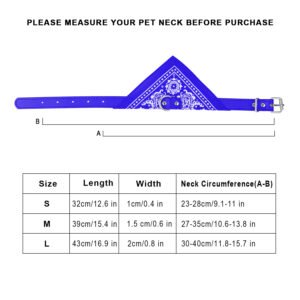
Toy/small (under 10 kg): 15 mm. Medium (10โ€“25 kg): 20โ€“25 mm. Large (25โ€“40 kg): 25โ€“38 mm. Giant (40 kg+): 38 mm+. Too narrow on a big dog cuts in; too wide on a tiny one is uncomfortable and looks ridiculous.

๐Ÿ”ฉ

Hardware = the failure point

Cheap zinc-alloy buckles + welded D-rings fail under load. Look for solid brass, stainless steel or aluminium hardware. Quick-release plastic buckles are fine for everyday flat collars, NOT for harnesses on pullers (they pop open).

๐Ÿ“

Leash length = use case

1.2 m (4 ft) โ€” close-control urban walks. 1.8 m (6 ft) โ€” default everyday. 3 m / 5 m / 10 m long line โ€” recall training in safe open spaces. Retractable leads: not recommended (cord-burn injuries, brake failure, no real control).

๐Ÿชช

Irish ID law

Control of Dogs Act 1986: a dog in a public place must wear a collar with the owner's name + address (or a tag carrying the same). Microchip alone doesn't satisfy it. Plus an annual dog licence (โ‚ฌ20 from the post office) โ€” the disc is often clipped to the collar.

๐ŸŒง๏ธ

Material for Irish weather

Nylon webbing โ€” cheap, soaks up rain, smells. Biothane (coated webbing) โ€” waterproof, easy to wipe, doesn't hold odour, lasts years. Leather โ€” looks beautiful, needs conditioning, ruins in constant rain. For a country dog, biothane is hard to beat.

๐Ÿ”†

Visibility for dawn/dusk walks

Novemberโ€“February in Ireland, most walks happen in low light. Reflective stitching on collar + leash + a clip-on LED collar light (โ‚ฌ8โ€“โ‚ฌ15) make you and the dog visible to drivers from 100 m. Not optional on rural roads with no footpath.

๐Ÿ“ฆ We're stocking up

Our dog collars and leashes range goes live as we vet suppliers โ€” we won't list anything we wouldn't use ourselves. In the meantime, our calculators, breed guides and AI vet tools below are free and don't need stock.

Frequently asked questions

Collar or harness for everyday walks?

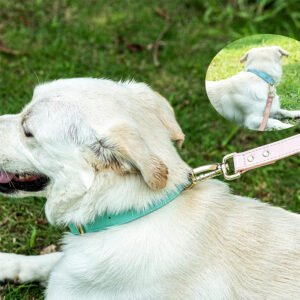
Both. Collar carries the legally required ID + dog licence disc and stays on full-time. Harness clips on for the walk and takes the lead pressure. Walking with the lead clipped to a flat collar is fine for a non-puller but risks trachea damage on dogs that lunge.

Are prong / e-collars legal in Ireland?

Prong collars: legal but ethically contested โ€” the IVA, IKC and most positive trainers oppose them. E-collars (shock): legal in the Republic but banned in Northern Ireland. We don't stock either. Modern force-free training delivers better results without the welfare concerns.

My dog slips out of his collar โ€” fix?

Switch to a martingale (limited-slip) collar or properly-fitted Y-front harness. Most slip-outs are dogs reversing out of a too-loose flat collar when startled. Two-finger rule: should fit two flat fingers under the collar at the neck โ€” no more.

How long should the lead be?

1.8 m (6 ft) is the default โ€” enough for the dog to sniff comfortably without crossing the path of others. Drop to 1.2 m for crowded urban walks. Use a 5โ€“10 m long line for recall practice in fields/beaches. Retractables we don't recommend โ€” too many control + injury issues.

Cookie settings