Dog Health & Supplements

Support your dogโ€™s overall wellbeing with our health and supplement range. Choose from products designed to help with joints, skin, coat and general vitality, always following your vetโ€™s advice. A useful addition to a balanced diet and regular care routine.

๐Ÿ’Š Health supplements

Dog supplements โ€” what works, what's marketing

The pet supplement market is worth โ‚ฌ1.5 billion globally and most of it is questionable. A handful do have real evidence โ€” joint support, omega-3, probiotics. Most others are placebo (for the owner). Here's what to give and when, what to skip, and when to ask the vet before adding anything.

What we'll be stocking

Supplements with the most evidence

Joint (glucosamine + chondroitin + green-lipped mussel)

Level
Strong evidence
Size
Per kg dose; lifelong for senior dogs

Best evidence for arthritis pain reduction in dogs over 7 (or younger large breeds). Look for green-lipped mussel (Antinol) + glucosamine sulphate (not HCl) + chondroitin. Takes 4โ€“6 weeks to feel a difference. Brands trusted by IE vets: YuMOVE, Antinol, Nutramax Cosequin.

Omega-3 (fish oil)

Level
Strong evidence
Size
EPA+DHA dose by weight (~75 mg/kg)

Anti-inflammatory effect โ€” useful for skin allergies, arthritis, kidney disease. Wild-caught fish oil (sardine, anchovy) over algae for dogs. Avoid flaxseed (dogs convert ALA โ†’ EPA poorly). Refrigerate after opening โ€” rancid oil is harmful.

Probiotic + prebiotic

Level
Moderate evidence
Size
1 sachet/day per pack instructions

Useful during/after antibiotics, after dietary upset, or for dogs with chronic loose stools. Pick canine-specific strains (Enterococcus faecium, Bifidobacterium) โ€” human probiotics often don't survive dog digestion. ProKolin+, Fortiflora are vet-recommended.

Calming (l-theanine, casein, valerian)

Level
Mixed evidence
Size
Per pack; situational use

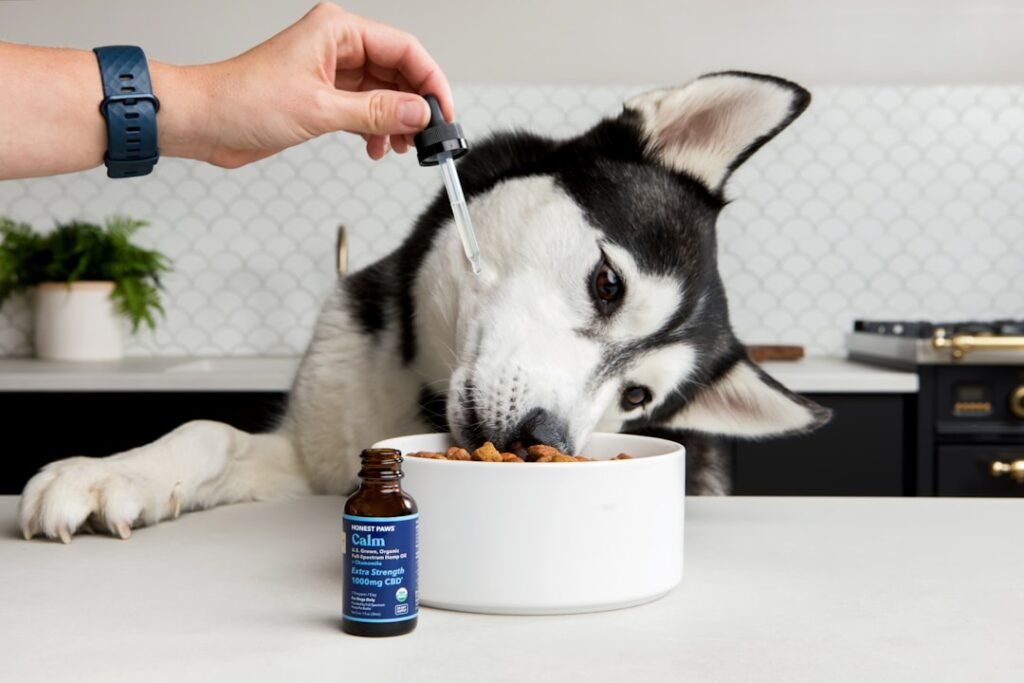
Useful for fireworks, vet visits, car sick dogs. Zylkene (alpha-casozepine) and Adaptil collars/diffusers have OK evidence. CBD is unregulated for pets in IE โ€” skip until safety/dose data improves. For severe anxiety, talk to a vet about prescription options.

Multivitamin (most healthy dogs DON'T need)

Level
Often unnecessary

A complete commercial diet (anything labelled "complete and balanced" to FEDIAF / AAFCO standard) provides everything a healthy dog needs. Multivitamins are useful for: home-cooked diets, raw diets, dogs with malabsorption. Ask the vet first โ€” over-supplementing fat-soluble vitamins (A, D, E, K) is harmful.

Rules before you reach for a bottle

๐Ÿฉบ

Ask the vet FIRST for any new supplement

Especially if your dog is on prescription medication, has kidney/liver disease, is pregnant, or is under 1 year old. Some supplements (high-dose omega-3, glucosamine, calming aids) interact with medications.

๐Ÿท๏ธ

Look for NASC seal or vet-clinic brands

The National Animal Supplement Council seal means independent quality testing. Without it, the actual content of a supplement may be wildly different from the label (a 2024 audit found this in 30% of OTC pet supplements). Brands sold via vet practices are usually held to a higher bar.

โš–๏ธ

Dose by weight, not by "scoop"

A scoop dosed for a Labrador is wildly wrong for a Chihuahua or a Great Dane. Read the per-kg dose on the pack and weigh the supplement. Round down, not up.

โฑ๏ธ

Give it 6โ€“8 weeks before judging

Joint supplements, omega-3 and probiotics take time to build to therapeutic levels. If you stop after 2 weeks because "it's not working", you wasted the build-up phase. Reassess after 8 weeks; if no improvement, swap the brand or stop.

โŒ

Skip these (despite the marketing)

CBD (unregulated in IE), turmeric/curcumin (poor bioavailability in dogs), apple cider vinegar (no evidence + dental erosion), homeopathic remedies (water), most "immune boosters" (no defined mechanism). Stick to the evidence-backed list above.

๐Ÿ“ฆ We're stocking up

Our dog health & supplements range goes live as we vet suppliers โ€” we won't list anything we wouldn't use ourselves. In the meantime, our calculators, breed guides and AI vet tools below are free and don't need stock.

Frequently asked questions

Should I give my puppy joint supplements?

Most healthy puppies on a complete puppy food don't need them. Large + giant breeds (Great Dane, Mastiff, Newfoundland) sometimes benefit from glucosamine from 6+ months because of growth-stress on developing joints. Ask the vet at the first health check.

Can I give my dog human fish oil capsules?

Yes if it's pure fish oil (no flavourings, no xylitol, no other additives). Read the label โ€” many "human" omega-3 products are blended with herbs that aren't safe for dogs. Dose by EPA+DHA content, not by capsule count. Refrigerate after opening.

Are "natural" supplements safer than vet-prescribed medication?

No. "Natural" means a plant or extract, not "safe". Garlic, grapes, nutmeg, macadamia, xylitol are all natural โ€” and toxic. Pharmaceutical drugs go through testing for safety + efficacy + dosing; most supplements don't. The bigger question is appropriateness for your dog, not natural-vs-synthetic.

When does a senior dog need joint supplements?

Most dogs benefit from 6 onwards (large breeds from 5). Earlier if there's already arthritis on imaging or a history of injury / dysplasia. Combine with omega-3, weight management, and joint-friendly exercise (swimming, hydrotherapy). Severe arthritis needs prescription pain relief in addition (Galliprant, Carprofen, Librela).

Cookie settings