Substrates & Bedding

Create a natural looking, comfortable base layer with our reptile safe substrates and bedding. Choose from sand, soil, bark and other materials designed for burrowing, moisture control or desert environments. Always match the substrate to your reptile’s specific needs.

🌱 Substrates + bedding

Reptile substrates β€” match to species, watch for impaction

Wrong substrate kills reptiles. Loose particles ingested while hunting cause "impaction" β€” a fatal intestinal blockage that needs surgery and often kills before diagnosis. The right substrate matches both the species' wild habitat AND the keeper's ability to maintain it. Here's the breakdown.

What we'll be stocking

Substrate types

Bioactive soil mix

Topsoil + coco coir + sand + leaf litter + clean-up crew (springtails, isopods). The gold standard for tropical species β€” self-cleaning, naturalistic, retains humidity. Setup costs more upfront but saves cleaning time long-term. Crested geckos, day geckos, dart frogs, snakes love it.

Coco coir / fibre

Cheap, renewable, holds humidity well. Compressed bricks expand 8x in water. Best for tropical species (snakes, day geckos, frogs). Less suitable for desert species. Spot-clean weekly, full replace every 1–3 months.

Paper / paper towel / kitchen roll

Quarantine, hatchlings, sick animals, picky eaters. Ugly but functionally perfect β€” no impaction risk, easy to spot droppings, change in 30 seconds. Vets recommend for new acquisitions during 30-day quarantine.

Repti-bark / orchid bark

Coarse fir or orchid bark β€” for snakes (corn, kingsnakes, ball pythons). Holds humidity, looks natural, good for burrowing. Avoid for inquisitive lizards (impaction risk if swallowed). Replace every 2–3 months.

Sand + desert mixes

Pure sand: NEVER for juvenile bearded dragons or leopard geckos (impaction). For adult bearded dragons + uromastyx: sand-soil 70/30 mix, monitored. Calcium sand: AVOID (impaction-prone, marketing gimmick). When in doubt, use slate tile or paper.

Match to species + manage hygiene

🐍

Snakes (corn, ball, king)

Repti-bark, aspen shavings, coco coir, or paper towel for quarantine. Aspen for dry species (corn, king); coco coir for humidity-loving (ball python). Spot-clean daily, full clean every 1–2 months. Avoid pine + cedar (toxic resin).

🦎

Bearded dragons (juvenile vs adult)

Juveniles (under 18 months): paper towel, slate tile, or vinyl mat β€” NEVER loose substrate (impaction risk is serious + often fatal). Adults: bioactive desert mix or 70/30 sand-soil. Monitor for any swallowed grit. Slate tile is the safest "natural look" option.

πŸ¦—

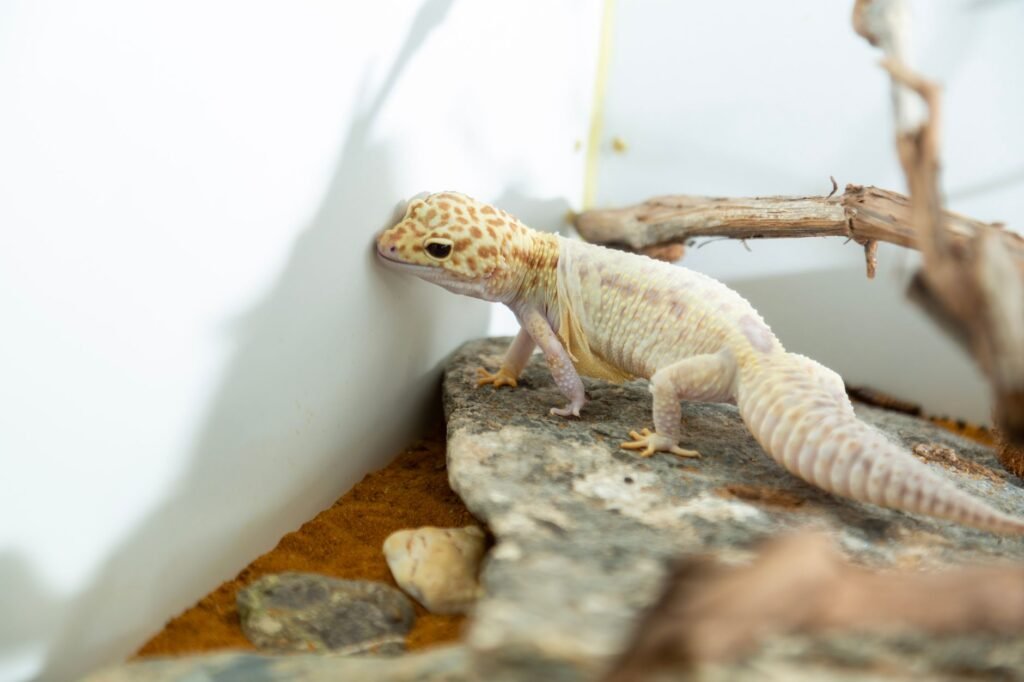
Leopard geckos

Paper towel or slate tile is safest. Many keepers use bioactive desert mix successfully β€” it depends on hunting style + diligence. Strict NO: calcium sand, walnut shell, sharp gravel, vermiculite. When in doubt, slate tile or kitchen roll.

🌿

Crested + day geckos

Bioactive tropical soil + leaf litter is ideal. Coco coir as cheaper alternative. Holds the 60–80% humidity these species need. Live plants thrive in bioactive setups + provide hiding spots. Springtails handle most cleanup.

🐒

Tortoises

Topsoil + coco coir mix, deep enough to dig (10 cm+). Avoid bark chips (impaction). For Hermann's, Greek, Russian: 50/50 topsoil + sand. Outdoor enclosure substrate: native grass + soil. Wet hide for shedding/burrowing access.

❌

Avoid completely

Calcium sand (marketing fiction β€” impaction-prone), walnut shell ground (sharp particles), pine + cedar shavings (toxic phenols), vermiculite for adult animals (lung damage if dust inhaled), reptile carpet long-term (claw snags, bacteria buildup, toxic when soiled).

πŸ“¦ We're stocking up

Our substrates & bedding range goes live as we vet suppliers β€” we won't list anything we wouldn't use ourselves. In the meantime, our calculators, breed guides and AI vet tools below are free and don't need stock.

Frequently asked questions

Is sand safe for bearded dragons?

For ADULT bearded dragons (over 18 months) on a 70% topsoil / 30% sand bioactive mix, yes β€” they'll occasionally lick a grain without issue. Pure sand or any sand for juveniles is a major impaction risk + can be fatal. Calcium sand (sold heavily by pet shops): avoid completely β€” it clumps in the gut.

What is bioactive substrate?

A living soil ecosystem inside the enclosure: layered drainage, soil mix, leaf litter, plus springtails + isopods (tropical) or terrestrial isopods (desert) that break down waste naturally. Self-cleaning for months, looks natural, supports plants, mimics wild conditions. Higher upfront cost, much less ongoing work.

How often should I change the substrate?

Bioactive: 6–12 months between deep cleans, just spot-clean visible waste. Coco coir / aspen / repti-bark: spot-clean daily, full replace every 1–3 months. Paper towel: replace as soiled (often weekly). Bioactive saves enormous time long-term.

My snake ate some substrate β€” emergency?

A small accidental ingestion of fine substrate while feeding usually passes. Watch for: refusing food, regurgitation, lethargy, no defecation in 1–2 weeks. Any of these = vet. Going forward: feed in a separate empty tub, or switch to paper towel. Repeat ingestion = wrong substrate for the setup.

Cookie settings