Food And Feeders

๐Ÿฆ— Food + feeders

Reptile food & feeders โ€” get nutrition right or watch them suffer

Reptile diet errors are slow killers โ€” metabolic bone disease (MBD) develops silently over months on the wrong calcium ratio. Most pet shops sell the wrong feeders for the wrong species. Here's the species-by-species feeding logic + the calcium dusting routine that prevents the most common preventable disease.

Reptile food & feeders โ€” get nutrition right or watch them suffer

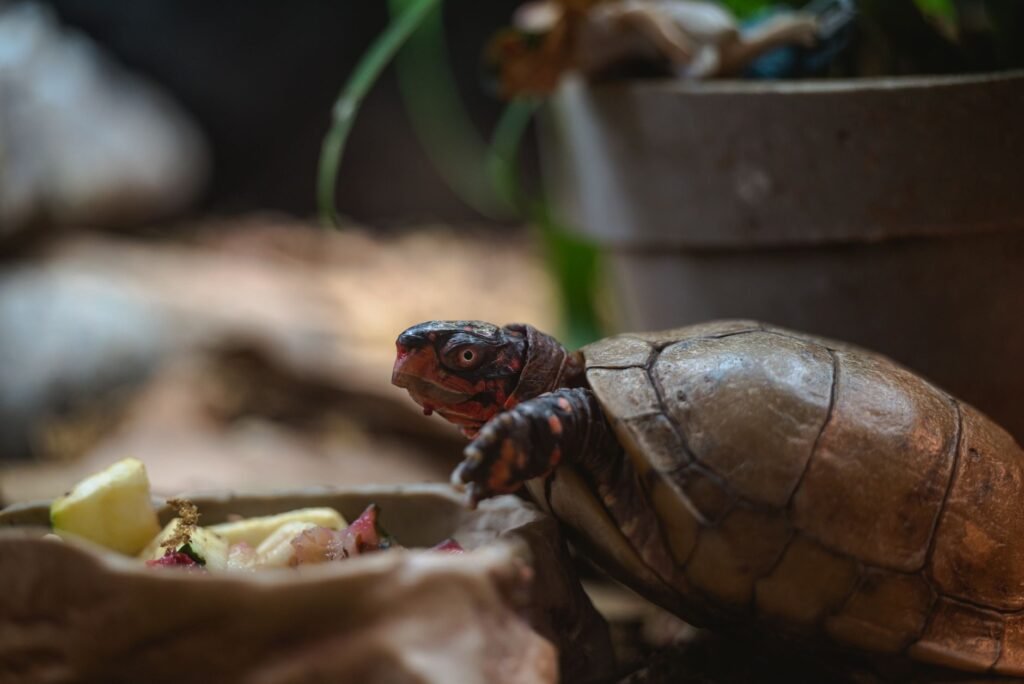
Photo: Chris F / Pexels

What we'll be stocking

Food + feeder types

Live crickets

The cheapest staple feeder. Brown crickets noisier + smellier than black. Always gut-load 24h before feeding (high-quality cricket diet). Dust with calcium + D3 before tipping into enclosure. Replace uneaten crickets โ€” they bite reptiles overnight.

Dubia roaches

Higher protein, less smell, longer-lived than crickets, easy to breed at home. Excellent for bearded dragons, leopard geckos, larger lizards. Won't infest your house (only breed in 30 ยฐC+). Slightly more expensive but worth it for serious keepers.

Locusts

Bigger than crickets, leaner, easier to dust. Good variety food. Sized small/medium/large to match reptile size. Don't bite reptiles overnight (vegetarian). More expensive than crickets, less expensive than roaches.

Mealworms / superworms / silkworms

Mealworms: high fat, OK as treat (NOT staple โ€” chitin shell hard to digest). Superworms: bigger, can bite, only for adult lizards. Silkworms: nutritionally excellent (high calcium ratio) but expensive. Variety beats single-feeder diet.

Vegetables + greens (herbivores + omnivores)

Bearded dragons: 70% veg as adults. Tortoises: 90%+ veg. Iguanas: 100% veg. Variety: dandelion, rocket, watercress, butternut squash, peppers. Avoid spinach + kale daily (oxalates bind calcium โ†’ MBD). Wash veg, chop fine.

Calcium + D3 + gut-loading routine

๐Ÿฆด

Calcium dusting โ€” every feeding

Live insects in a tub + sprinkle calcium powder + shake (the "shake & bake"). Plain calcium for daily dusting. Calcium + D3 (e.g. Repashy Calcium Plus) for animals on weak/no UVB โ€” 1โ€“2ร— weekly. ALWAYS dust insects, never the reptile directly.

๐ŸŒฝ

Gut-load 24h before feeding

Crickets/roaches eaten straight from the box are nutritionally hollow. Feed insects high-quality vegetables + commercial gut-load (Repashy Bug Burger, Cricket Total) for 24h before offering to reptile. The reptile eats the insect AND the gut content.

โฐ

Feeding frequency by species

Hatchlings: most species daily. Juveniles: every 1โ€“2 days. Adults: every 2โ€“4 days for lizards, weekly for snakes (mice/rats), daily greens for tortoises. Overfed adult bearded dragons โ†’ fatty liver disease. Underfed = poor growth + immune issues.

๐ŸฆŽ

Match prey size to reptile

Insect width should NOT exceed the gap between the reptile's eyes. Rule prevents impaction + choking. Snakes: prey diameter no wider than the snake's widest point. Hatchlings get tiny prey; adults get larger. Wrong-size prey is a top cause of preventable death.

๐ŸŒฟ

Variety prevents deficiencies

For omnivores/herbivores: rotate 6+ veg types weekly. Each veg has different vitamins. Single-veg diets cause specific deficiencies (e.g. lettuce-only = no calcium, vitamin A deficiency). For carnivores: mix insect species + occasional pinkie mice (large lizards).

๐Ÿชง

Skip these "feeder" foods

Wild-caught insects (parasites + pesticides). Avocado (toxic to most reptiles). Rhubarb leaves (oxalic acid). Iceberg lettuce (no nutrients, can cause diarrhoea). Citrus fruit (most species). Fireflies (deadly to bearded dragons + chameleons).

๐Ÿ“ฆ We're stocking up

Our food and feeders range goes live as we vet suppliers โ€” we won't list anything we wouldn't use ourselves. In the meantime, our calculators, breed guides and AI vet tools below are free and don't need stock.

Frequently asked questions

How often do I dust insects with calcium?

Every feeding for juveniles + breeding females. Adults: 4โ€“5 dustings per week with plain calcium, 1โ€“2 dustings per week with calcium + D3 (if UVB is good) or 3โ€“4 per week with D3 (if UVB is poor or absent). Over-dusting D3 is also harmful โ€” match to species + UVB setup.

Can I feed my reptile insects from the garden?

No โ€” wild-caught insects often carry parasites, pathogens, and pesticide residues. Always feed captive-bred from a reliable supplier. The cost saving isn't worth a parasite outbreak that costs โ‚ฌ100+ in vet visits and treatments. Same goes for "free" wild plants for tortoises โ€” wash thoroughly + only from organic sources.

My bearded dragon won't eat veg โ€” only crickets. What now?

Common with juveniles raised on insects. Slowly increase greens, decrease insects: cut insects to 5 days/week, then 3, then 2 over a few weeks. Mix bright veg (red/orange peppers, butternut squash) with greens โ€” wavers in colour vision attract them. Adult bearded dragons MUST eat 70% veg or develop fatty liver disease.

How do I keep crickets from escaping in the house?

Cricket Keeper containers (Lugarti, Exo Terra) โ€” escape-proof + ventilated. Don't store more than 1โ€“2 weeks at a time (live shipping cheaper than holding in volume). Discard dead crickets daily โ€” ammonia + smell. Or breed dubia roaches at home โ€” silent, no smell, no escape risk in cool homes.

Cookie settings