Scratchers And Trees

๐Ÿˆ Scratchers + trees

Scratchers & cat trees โ€” save your sofa, please your cat

Cats scratch to mark territory, stretch their backs, shed claw sheaths, and decompress. They will scratch <em>something</em>. Your job is to make the right thing more appealing than your sofa. Here's what works (and where most cheap scratchers fail).

What we'll be stocking

Types of scratcher โ€” and where each one wins

Vertical post (sisal-rope or sisal-fabric)

Level
Essential
Size
80+ cm tall, weighted base
Habitat
Stable: cat's full body weight without wobble

The single most important scratcher to own. Must be tall enough that your cat can fully stretch (paws above head). Sisal rope or sisal fabric โ€” NOT carpet. A wobbling post is unused.

Horizontal cardboard scratcher

Level
Cheap + popular
Size
40+ cm long
Habitat
Place near sleeping spots

Cats love scratching after waking. Place one near the bed and the favourite couch corner. Cardboard wears fast (replace every 4โ€“8 weeks) but they're cheap. Sprinkle a pinch of catnip on a fresh one.

Full cat tree (multi-level + posts)

Level
Best for indoor cats
Size
120โ€“180 cm tall
Habitat
Multiple platforms + sisal posts

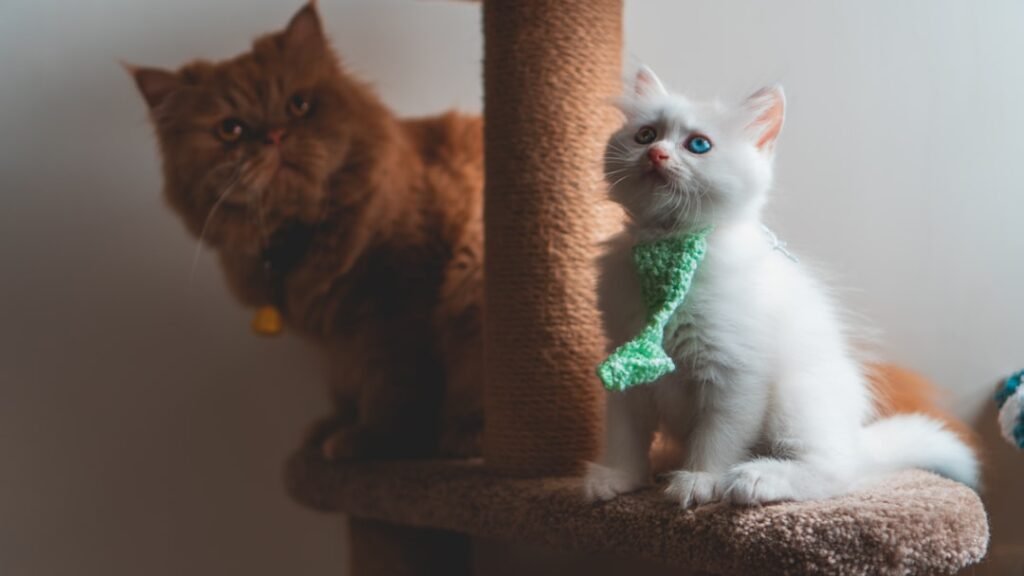
Combines scratching, climbing, perching and sleeping. Indoor cats need vertical space โ€” a good tree solves stress, conflict and boredom in multi-cat homes. Pricier picks (Armarkat, RHRQuality) outlast the cheap flatpacks 5ร—.

Wall-mounted scratcher

Level
Small flats
Size
Fits anywhere there's wall
Habitat
Frees floor space

For small flats, or rooms where a freestanding post won't fit. Mount at full-stretch height. Combine with a horizontal scratcher elsewhere โ€” most cats want both options.

Scratcher hammock / lounger

Level
Bonus item
Size
Various
Habitat
Curved cardboard with raised edges

Cardboard lounger that doubles as a nap spot. Cats often curl up on these after scratching. Not a substitute for a real post; nice add-on for sleepers.

Why your cat ignores the scratcher you bought

๐Ÿ“

Tall enough to fully stretch

A cat reaching up to scratch wants to extend their full body. If they have to bend their elbows, the scratcher is too short. Adult cat needs 80 cm minimum; big cats (Maine Coon, Ragdoll) need 100 cm+.

โš–๏ธ

Stable enough to take a body slam

The single biggest reason scratchers go unused is wobble. Test: lean on it with your full hand-weight. If it tips, your cat won't use it. Look for weighted bases or wall-mount.

๐Ÿ†

Sisal beats carpet (always)

Carpet teaches cats that scratching carpet is OK โ€” including the carpet under the scratcher. Sisal rope or sisal fabric is the standard. Avoid scratchers covered in the same material as your floor.

๐Ÿ“

Place where they want to scratch

Right next to the sofa corner they've been scratching. Right next to the bed. By the front door (greeting scratch). Hidden in the spare bedroom = unused. The point is to redirect, not to relocate.

๐Ÿง‚

Catnip + treats to seal the deal

Sprinkle catnip or silvervine on a new scratcher to draw your cat in. Reward with a treat the moment they use it. Praise verbally. Within a week most cats convert.

๐Ÿ“ฆ We're stocking up

Our scratchers and trees range goes live as we vet suppliers โ€” we won't list anything we wouldn't use ourselves. In the meantime, our calculators, breed guides and AI vet tools below are free and don't need stock.

Frequently asked questions

My cat keeps scratching the sofa even though we have a scratcher โ€” why?

Three usual reasons: (1) the scratcher is too short or too wobbly, (2) it's in the wrong room, (3) the sofa is more rewarding (corner shape, perfect height). Move the scratcher right next to the sofa scratch spot. Cover the sofa corner with double-sided sticky tape or a Sticky Paws sheet for two weeks while the cat learns the new option.

How often should I replace cardboard scratchers?

When 50% of the surface is fluffed up and the cat starts scratching the wood/plastic frame instead. Usually 4โ€“8 weeks for a single-cat household. A flipped scratcher (turn it over) gets you another 2โ€“3 weeks.

Are claw caps a good alternative?

Soft Claws / Soft Paws (rubber tips glued onto trimmed claws) are humane and reversible โ€” far better than declawing (which is illegal in Ireland). They last 4โ€“6 weeks. Most cats tolerate them; some don't. Combine with a real scratcher anyway โ€” cats need to scratch for stretching even if they can't damage things.

Is declawing legal in Ireland?

No โ€” declawing is illegal in Ireland under the Animal Health and Welfare Act 2013, which prohibits non-therapeutic mutilations. It's amputation of the last bone of each toe and causes lifelong pain and behaviour problems. Anyone offering it should be reported to the ISPCA.

Cookie settings