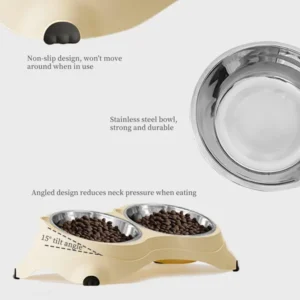
Anti-Slip Double Cat Bowl โ€” Stainless Steel Food & Water Station, Grey

Cats

๐Ÿˆ Cat owners

Cat supplies + care guides for Irish homes

Cats live 12โ€“20 years and quietly hide illness until late โ€” so the early decisions you make on litter, scratching, food and vet care matter for decades. Browse our buying guides below, plus the breeds, setup essentials and Irish-specific rules every cat owner should know.

Cat supplies + care guides for Irish homes

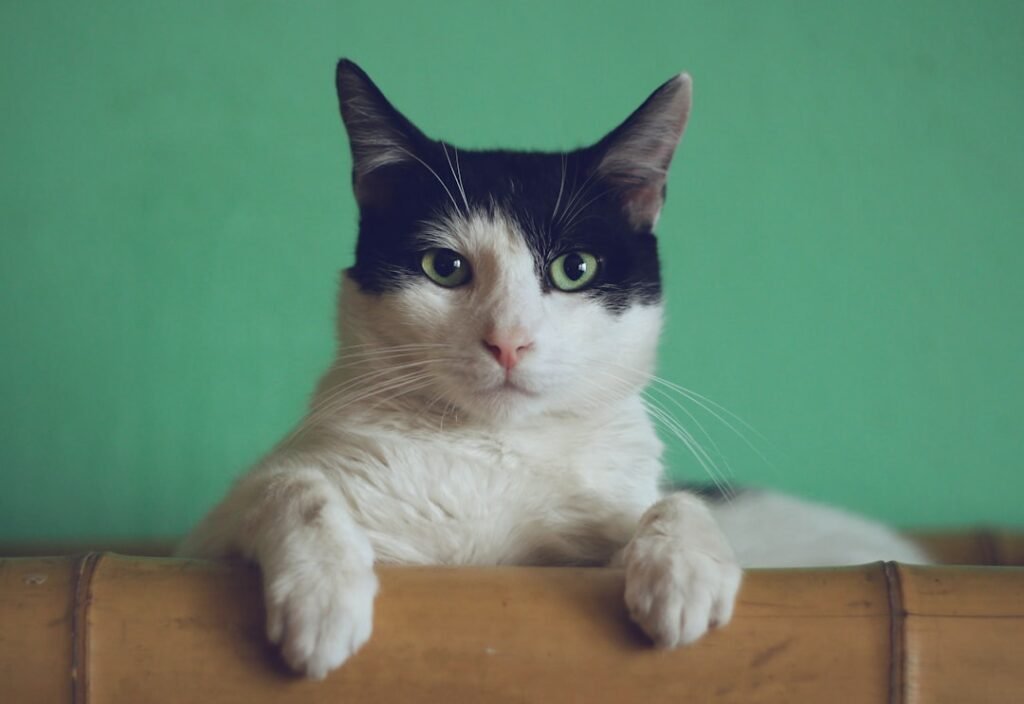
Photo: Manja Vitolic / Unsplash

What we'll be stocking

Popular cat breeds in Ireland

Domestic Shorthair

Felis catus (mixed)

Level
Beginner-friendly
Size
3.5โ€“6 kg
Life
12โ€“18 yrs
Diet
High-protein wet + dry; obligate carnivore
Habitat
Indoor or indoor + outdoor with safe garden access

The everyday Irish cat โ€” found at every rescue. Hardy, varied in personality, no breed-specific health issues. The ICAW and Cats Protection Ireland are full of them. Adopting beats buying for almost every household.

Maine Coon

Felis catus

Level
Intermediate
Size
5.5โ€“11 kg
Life
12โ€“15 yrs
Diet
High-protein, large bowl, large kibble โ€” 70+ kcal/kg/day
Habitat
Needs space โ€” small flats are unkind to a cat this size

Gentle giants โ€” the largest domestic cat breed. Friendly, dog-like, often happy on a harness. Watch for hypertrophic cardiomyopathy (HCM) โ€” buy only from breeders who genetic-test, or rescue an adult with a known history.

British Shorthair

Felis catus

Level
Beginner-friendly
Size
4โ€“8 kg
Life
14โ€“20 yrs
Diet
Watch portions โ€” prone to weight gain. Measured meals, not free-feeding
Habitat
Indoor โ€” calm temperament suits flat living

Calm, quiet, undemanding โ€” the "easy" pedigree. Tolerant of being left alone for a working day. Genetic predisposition to HCM and polycystic kidney disease (PKD) โ€” ask any breeder for both test results.

Ragdoll

Felis catus

Level
Intermediate
Size
4.5โ€“9 kg
Life
12โ€“17 yrs
Diet
High-protein; semi-long coat needs omega-3-rich food
Habitat
Indoor only โ€” too trusting, no street sense

Famously "go limp when picked up" โ€” affectionate, dog-like, wants to be near you. Strict indoor cat โ€” they will follow strangers home. HCM screening (HCM-1 gene) is essential when choosing a kitten.

Persian

Felis catus

Level
Advanced โ€” high maintenance
Size
3.5โ€“6 kg
Life
12โ€“17 yrs
Diet
Wet-leaning diet helps brachycephalic anatomy + kidney health
Habitat
Indoor only โ€” calm pace, can overheat in summer

A proper commitment โ€” daily grooming or the coat mats badly. Brachycephalic (flat-faced) lines often have breathing problems and dental crowding. Choose a breeder using more "doll-faced" / traditional Persian genetics over the extreme show standard.

Setup essentials โ€” get these right or don't start

๐Ÿšฝ

Litter trays โ€” one per cat + one extra

Two cats = three trays, in two different rooms. Open trays only โ€” many cats refuse covered ones. Tray length should be 1.5ร— cat body length. Scoop daily, full change weekly. Place away from food and water.

๐Ÿชต

Scratching โ€” vertical AND horizontal

Cats scratch to mark, stretch and shed claw sheaths โ€” they will scratch something. Provide a tall sisal post (taller than your stretched cat) plus a horizontal scratcher near sleeping spots. Cardboard alone wears out fast and isn't enough for big cats.

๐Ÿฅฉ

Wet + dry, never economy "meat derivatives"

Cats are obligate carnivores โ€” they need actual meat protein, not "meat derivatives" or "animal by-products" left vague on the label. A mix of quality wet (hydration, kidney health) and dry (dental, energy density) wins. Match portion size to weight, not the bag's overgenerous "guidelines".

๐Ÿชด

Vertical space + safe windows

Cats live in 3D โ€” high perches, cat trees and shelf walks reduce stress and conflict in multi-cat homes. If your windows open more than 10 cm, use lockable restrictors or screens. "High-rise syndrome" injuries are common in apartments.

๐Ÿ’‰

Vaccinations + parasite cover

Core vaccines: feline panleukopenia, calicivirus, herpesvirus (FCV/FHV) โ€” annual or 3-yearly per protocol. Outdoor cats: add FeLV. Year-round flea + worm cover; Ireland's mild winters mean fleas don't die off.

๐Ÿ†”

Microchip โ€” legally required in Ireland

Since September 2025 all cats in Ireland must be microchipped and registered on an approved database (Animark, FidoChipsIreland, etc.) by 22 weeks of age. Cost โ‚ฌ20โ€“โ‚ฌ40 at most vets. Update the registration whenever you move.

โœ‚๏ธ

Neuter early โ€” most rescues require it

Neuter from 4 months in toms and queens to prevent unwanted litters and reduce roaming, spraying and fighting. The ISPCA and Cats Protection run subsidised neutering schemes โ€” โ‚ฌ25โ€“โ‚ฌ60 typical. One un-spayed female can produce 20+ kittens a year.

Showing all 9 results

Frequently asked questions

Indoor or outdoor cat in Ireland?

Both can work. Outdoor access is the natural cat life and reduces obesity and behaviour problems โ€” but in Ireland it also brings traffic risk (estimated 1 in 4 outdoor cats killed by cars in their lifetime), parasite load, and disease exposure (FIV / FeLV). Many owners compromise with a "catio" enclosure or supervised garden time. Indoor-only cats need vertical space, multiple feeding puzzles, and 30+ min/day of interactive play to stay healthy and not bored.

Is microchipping really mandatory in Ireland now?

Yes โ€” since September 2025 all cats in Ireland must be microchipped and registered on an approved database (Animark, FidoChipsIreland are the main two). Owners are responsible. Average cost โ‚ฌ20โ€“โ‚ฌ40 at the vet, often combined with a vaccination visit. Update the database any time you move โ€” an unregistered chip is just as useless as no chip.

One cat or two?

Adopting two kittens together is usually easier than adopting one โ€” they exhaust each other playing and don't pester you all day. Adding a second cat to a single-cat household is harder; introductions need 4โ€“6 weeks of slow sight-and-smell swaps. Some adult cats prefer being only-cats forever.

How much does it cost to keep a cat in Ireland?

Year-one budget (2026): โ‚ฌ100โ€“โ‚ฌ200 adoption fee from a rescue, โ‚ฌ50โ€“โ‚ฌ100 cat tree + scratchers + bowls + carrier, โ‚ฌ30โ€“โ‚ฌ60 first vet visit. Ongoing: โ‚ฌ30โ€“โ‚ฌ60/month food + litter, โ‚ฌ100โ€“โ‚ฌ200/year vet (vaccines, flea/worm), plus โ‚ฌ1,000โ€“โ‚ฌ4,000 if a serious illness or accident hits โ€” pet insurance is worth comparing.

When should I neuter my cat?

Most Irish vets and rescues recommend neutering from 4 months โ€” early enough to prevent unplanned kittens and the worst of spraying / roaming behaviour. Subsidised schemes are available: ISPCA, Cats Protection, ICAW. Even indoor cats should be neutered to prevent yowling, anxiety and (rarely) escape during heat.

My cat is hiding more than usual โ€” should I worry?

Yes. Cats hide illness until they're very unwell. Sudden hiding, changes in litter habits, eating less, drinking more, weight loss, or new lethargy all warrant a vet visit within a few days. Try our free symptom checker for a triage view: AI symptom checker.