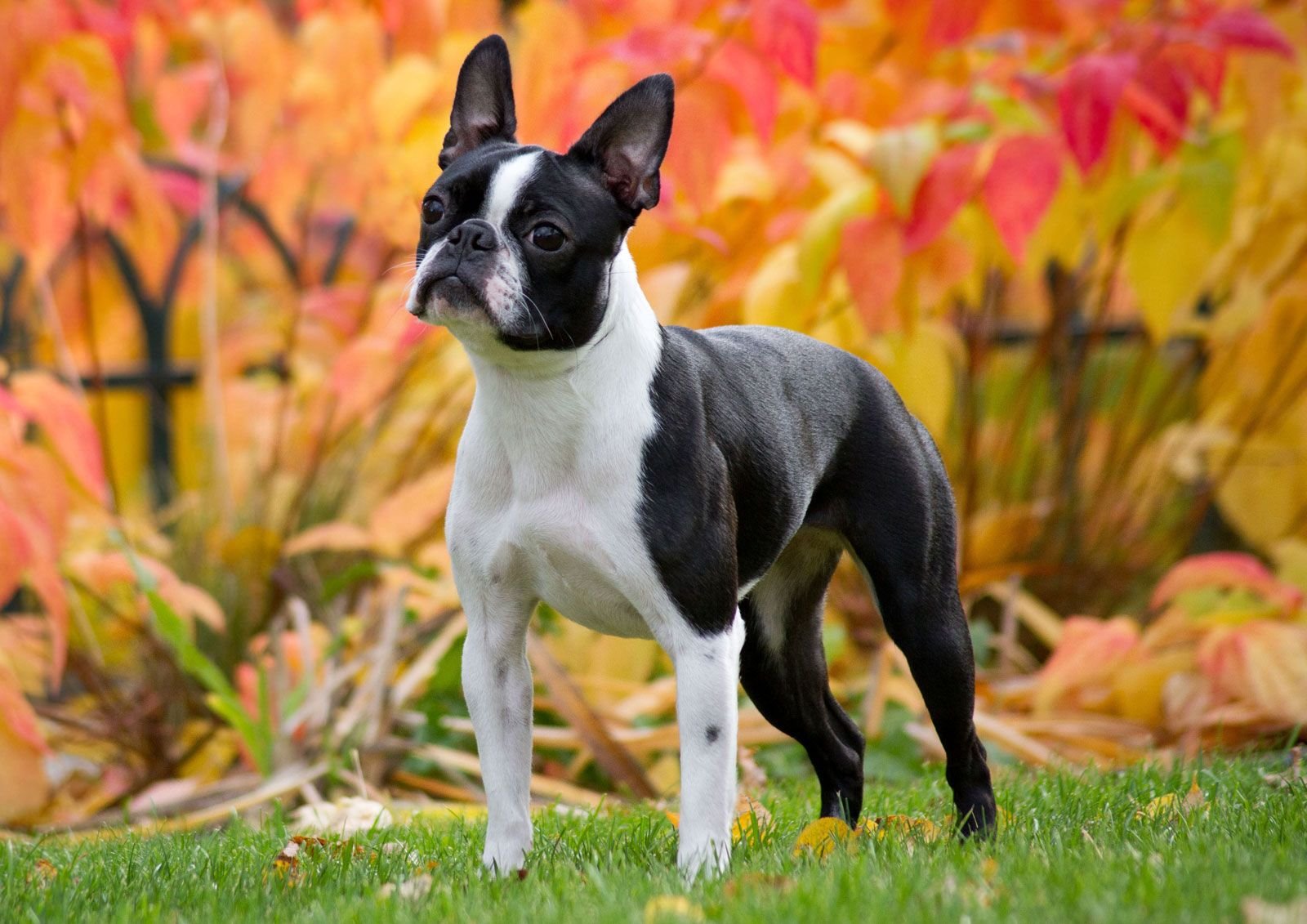
 Pug profile
The Pug is a medium-sized Toy dog originally from China, typically weighing 6–8 kg with a double-coated coat. Being a laid-back, flat-faced dog, a Pug needs a crate matched to its actual build and coat — not a one-size-fits-all pick. This guide covers what to look for in a crate for a Pug, then links filtered picks that match the breed's frame.
A crate isn't a punishment — it's a safe space your Pug learns to love. Used right (open-door rest, never extended punishment), it's the single best tool for house-training, travel and post-surgery recovery.
What to look for in a Pug crate
- Sized for adult standing height + 10 cm. Too small = stress; too large = the dog uses one corner as a toilet.
- Divider panel — for puppies, you size it down so the crate stays cosy as they grow. Saves buying two crates.
- Removable bottom tray — for inevitable accidents during house-training.
- Two doors (front + side) is much more flexible than single-door for room placement.
- Avoid: open-top "playpen" crates for big dogs (jumped out of), cheap fabric crates for chewers (gone in 10 minutes).
Recommended style for Pug: 36" wire crate with divider for puppy training
Crate training, briefly
- Door open — never force. Feed all meals inside for the first week with door open.
- Build up from seconds. Close door for 5 seconds, then 30, then 2 minutes. Always while you're in the room initially.
- Never use as punishment. It must always feel safe.
Crate for a Pug: common questions
What size crate does a Pug need?
Pugs typically weigh 6–8 kg, which puts them in the medium-sized range, so start with a crate sized for that band. Sizing varies between brands and individual Pugs differ, so measure your own dog and check the maker's size chart before buying.
What should I look for in a crate for a Pug?
The Pug is a laid-back breed, so comfort and easy cleaning usually matter more than heavy-duty ruggedness when choosing a crate. Above all, match the crate to this breed's actual build rather than buying generic.
Do flat-faced Pugs need a special crate?
Yes. Pugs are brachycephalic (flat-faced), which affects breathing and eating, so choose a crate that avoids pressure on the airway and suits a short-muzzled dog.