Chesapeake Bay Retriever vs Labrador Retriever

Side-by-side comparison of two popular breeds — temperament, exercise, grooming, lifespan and common health issues. Use it to decide which breed fits your home.

Chesapeake Bay Retriever vs Labrador Retriever — at a glance

The Chesapeake Bay Retriever (25–36 kg, 10–13 years) and the Labrador Retriever (25–36 kg, 10–14 years) sit in different — or sometimes overlapping — corners of dog ownership. Here's how they really compare for an everyday Irish or UK family.

Both breeds have similar energy demands — Chesapeake Bay Retriever tips slightly higher but neither is a couch dog.

For a first-time owner, the Labrador Retriever is much more forgiving than the Chesapeake Bay Retriever.

Insurance premiums for breeds with brachycephalic, joint or cancer predispositions run 20–40% above average — check before you commit. We have a free quote calculator here.

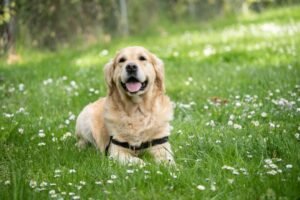
Chesapeake Bay Retriever Chesapeake Bay Retriever Labrador Retriever Labrador Retriever
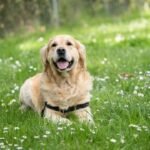
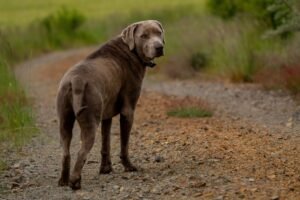
Group Sporting Sporting
Origin United States Newfoundland, Canada
Weight 25–36 kg 25–36 kg
Height 53–66 cm 54–62 cm
Lifespan 10–13 years 10–14 years
Energy level
Trainability
Grooming needs
Good with kids
Good with other pets
Hypoallergenic
Watchdog instinct
Novice-owner OK

Chesapeake Bay Retriever Chesapeake Bay Retriever
Temperament

Bright, devoted, sometimes aloof with strangers, can be dog-reactive.

Exercise

90 minutes daily, ideally including swimming.

Grooming

Oily wavy double coat — water-repellent. Weekly brush.

Health

Hip and elbow dysplasia. PRA. Bloat / GDV.

Full Chesapeake Bay Retriever profile →

Labrador Retriever Labrador Retriever

Temperament

Outgoing, even-tempered and gentle. Labs are people-oriented to the point of being terrible guard dogs — they tend to greet strangers like long-lost friends. They're known for their patience with children, tolerance of other dogs and "puppy-like" exuberance well into their adult years.

Exercise

Labs need 60–90 minutes of vigorous daily exercise as adults — running, swimming, fetch and scent work all suit them. Without enough activity they gain weight quickly (Labs are genetically predisposed to obesity) and develop destructive boredom. Two walks plus 20 minutes of off-lead play is a good baseline.

Grooming

A short, dense double coat that sheds year-round and "blows" twice a year. Weekly brushing keeps it manageable; daily during shedding seasons. Labs only need bathing every 8–12 weeks. Don't shave a Lab — the undercoat insulates against both cold and heat.

Health

Common issues: hip and elbow dysplasia (always check parental hip scores), exercise-induced collapse (genetic test available), progressive retinal atrophy (PRA-prcd test), bloat / GDV in deep-chested dogs, and obesity-related arthritis. Lifespan averages 10–14 years; lean, active Labs can reach 15+.

Full Labrador Retriever profile →

Which is right for you?

Pick the Chesapeake Bay Retriever if

Active families, water-loving homes, hunters.

Pick the Labrador Retriever if

Active families with kids, first-time owners, multi-pet homes, owners who enjoy outdoor activities or water sports.

Free DeliveryOn orders over $100
Secure CheckoutStripe & Apple Pay
Easy Returns14-day return window
Real Human SupportMon–Fri 7am–10pm
Cookie settings