Doberman Pinscher vs German Shepherd

Side-by-side comparison of two popular breeds — temperament, exercise, grooming, lifespan and common health issues. Use it to decide which breed fits your home.

Doberman Pinscher vs German Shepherd — at a glance

The Doberman Pinscher (27–45 kg, 10–13 years) and the German Shepherd (22–40 kg, 9–13 years) sit in different — or sometimes overlapping — corners of dog ownership. Here's how they really compare for an everyday Irish or UK family.

Energy levels are well-matched between the Doberman Pinscher and German Shepherd — both need similar daily exercise.

Grooming is where these breeds really diverge: the German Shepherd needs significantly more brushing, washing and coat care. Factor in €30–€80 every 6–8 weeks for a professional groomer if you don't do it yourself.

Insurance premiums for breeds with brachycephalic, joint or cancer predispositions run 20–40% above average — check before you commit. We have a free quote calculator here.

Doberman Pinscher Doberman Pinscher German Shepherd German Shepherd
Group Working Herding
Origin Germany Germany
Weight 27–45 kg 22–40 kg
Height 61–72 cm 55–65 cm
Lifespan 10–13 years 9–13 years
Energy level
Trainability
Grooming needs
Good with kids
Good with other pets
Hypoallergenic
Watchdog instinct
Novice-owner OK

Doberman Pinscher Doberman Pinscher

Temperament

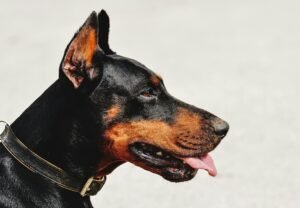
Intelligent, loyal, alert, sensitive. Dobermans bond intensely with their family and can be reserved with strangers. Despite the imposing reputation, modern Dobies are usually friendly with people and other dogs when socialised early.

Exercise

90+ minutes of daily exercise plus mental work. Excels at agility, schutzhund, obedience, scent work.

Grooming

Short coat, weekly brush.

Health

Dilated cardiomyopathy (DCM — the leading cause of death in the breed; annual cardiac scans recommended). Von Willebrand's disease (bleeding disorder — DNA test). Hip dysplasia. Wobbler syndrome. Bloat / GDV.

Full Doberman Pinscher profile →
German Shepherd German Shepherd

Temperament

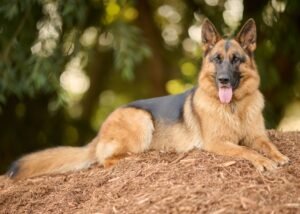
Intelligent, confident, courageous. GSDs are aloof with strangers (not aggressive, just reserved) and intensely bonded to their family. They need clear leadership and consistent training from puppyhood — without it, their natural watchfulness can tip into reactivity.

Exercise

A solid 90–120 minutes of daily exercise plus mental work. They thrive on jobs: obedience, scent work, agility, schutzhund, herding. A bored Shepherd will redecorate your house. Puppies must avoid forced exercise and stairs to protect developing hips.

Grooming

Double coat sheds constantly (the breed is sometimes called "German Shedder"). Brush 3–4× weekly with a deshedder, daily during seasonal moults. Bathe every 6–8 weeks. Avoid clipping the coat — it functions as climate control year-round.

Health

Hip and elbow dysplasia (the breed is genetically predisposed; always check OFA / BVA scores of parents). Degenerative myelopathy (DNA test available). Bloat / GDV — feed twice daily, slow feeders, limit exercise around meals. Pancreatic insufficiency in some lines.

Full German Shepherd profile →

Which is right for you?

Pick the Doberman Pinscher if

Experienced active owners, training enthusiasts, secure-yard homes.

Pick the German Shepherd if

Experienced active owners, training enthusiasts, working / sport homes, families with older children and time.

Free DeliveryOn orders over $100
Secure CheckoutStripe & Apple Pay
Easy Returns14-day return window
Real Human SupportMon–Fri 7am–10pm
Cookie settings