Stainless steel (the default)
304-grade stainless: dishwasher-safe, doesn't harbour bacteria, lasts a lifetime, won't cause "doggy chin acne". Look for non-slip rubber base. Avoid unmarked cheap stainless — leaches nickel + chromium.

🥣 Bowls + feeders
It's just a bowl, right? Wrong. Plastic bowls cause chin acne. Cheap stainless leaches nickel. Elevated bowls double bloat risk in deep-chested breeds. Slow feeders save lives in fast-eaters. Here's the simple buying logic that gets it right first time.
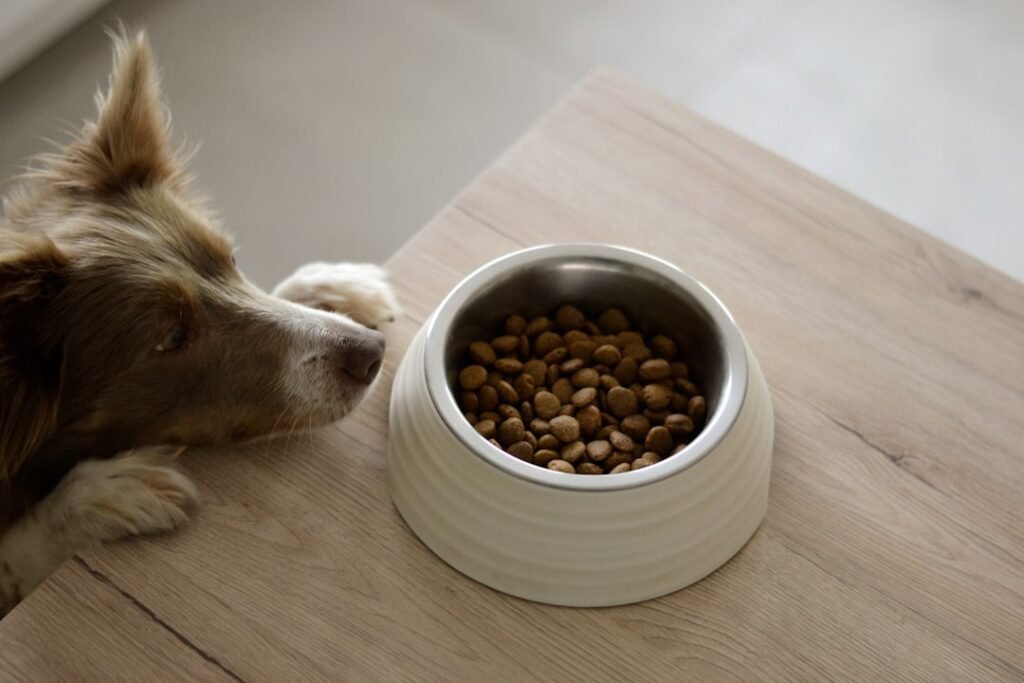
Photo: Ayla Verschueren / Unsplash
304-grade stainless: dishwasher-safe, doesn't harbour bacteria, lasts a lifetime, won't cause "doggy chin acne". Look for non-slip rubber base. Avoid unmarked cheap stainless — leaches nickel + chromium.
Heavy (won't slide), pretty, hygienic if glaze is intact. Crack a chipped/crazed glaze and bacteria colonise. Lead-free certification only — older imports can have lead glaze. Replace if it cracks.
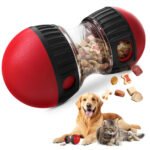
Ridges, mazes, or "snuffle" silicone. Fast-eating + deep-chested = bloat (GDV) — life-threatening for Labs, Setters, GSDs, Great Danes, Boxers. A €12 slow-feed bowl can save a €4,000 emergency surgery.
Marketed for senior + tall dogs. ⚠️ Studies show elevated bowls DOUBLE bloat risk in deep-chested breeds. Only use if vet-recommended for megaesophagus or severe arthritis — never as a default for big dogs.
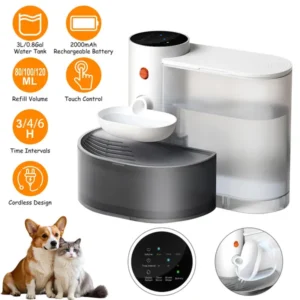
For working owners on long days, multi-cat households, weight-control feeding. PetSafe / Sure Petcare are reliable — battery + mains backed. Not a substitute for daily contact; for emergency-only use the wifi camera versions.
Plastic scratches, holds bacteria, leaches BPA/phthalates, and the rough surface causes "plastic chin" — a stubborn rash on the chin/lower lip. €5 saved costs €60 in vet visits and a lifetime of itching. Stainless or ceramic only.
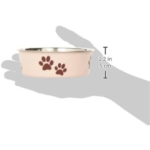
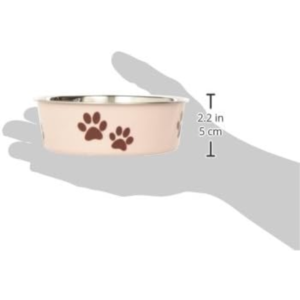
Bowl diameter ≈ width of the dog's muzzle + 30%. Too small = food on the floor + bib of slobber. Too big = a Lab tries to climb in. Brachycephalic breeds (Frenchie, Pug, Boxer) need a wide-shallow tilted bowl, not deep round.
Deep-chested breeds (Labs, Setters, GSDs, Great Danes, Standard Poodles, Boxers, Weimaraners) are at risk of GDV (gastric torsion). A slow-feed bowl + ground-level feeding + 30 min rest after meals dramatically reduces risk.
Wet food bowls: rinse + wash daily (bacterial soup in 4 hours). Dry food bowls: rinse daily, full wash 2× per week. Water bowls: change water + scrub bowl every 24h — biofilm forms overnight. Dishwasher hot cycle is fine for stainless.
Either a rubber-bottomed bowl or a silicone mat under it. Saves the floor, stops the bowl skating across the room, and stops the dog gulping while chasing it. Mats also catch the inevitable splash zone of slobber.
Showing all 2 results
Probably not. A 2000 Purdue study found elevated feeders DOUBLE the risk of GDV (bloat) in deep-chested breeds — Labs, Setters, GSDs, Danes, Boxers. Floor-level slow-feed bowls reduce risk. Only raise if your vet specifically recommends it for arthritis or megaesophagus.
Both are fine if certified non-toxic. Stainless wins on durability and dishwasher safety. Ceramic wins on weight (won't slide) and aesthetics. Avoid plastic completely — bacterial colonisation + chin acne aren't worth the few euro saved.
Yes — studies show 2–4× longer eating time on average, and a meaningful reduction in regurgitation + bloating. Most useful for fast eaters and bloat-prone breeds. Pick a design where YOUR dog can't just lift the maze ridge — some smart dogs flip the bowl over.
50–100 ml per kg body weight per day. A 25 kg Lab drinks ~1.5–2.5 L per day; a 4 kg Yorkie 200–400 ml. Multi-dog homes need a bowl big enough that no one runs out between fills. Sudden increase = vet visit (kidney, diabetes, Cushing's, infection markers).
Join 1,000+ Irish pet owners getting our weekly tips, food recall alerts and breed deep-dives. Unsubscribe in one click.
No thanks, I'll find my own way →
By subscribing you agree to our Privacy Policy. We never share your email.