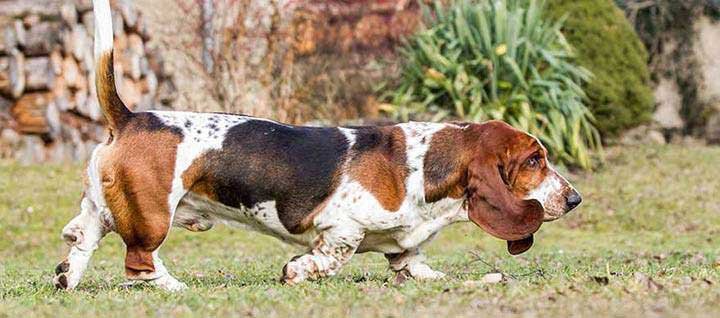
 Best Food for Basset Hound (2026 Guide)
A breed-specific food guide for Basset Hound owners — what to look for, what to avoid, and our top picks based on this breed's size, energy and known health profile.
The Basset Hound is long-eared, low-slung scent hound. mellow, stubborn and slightly comical. Their nutritional needs reflect their 20–29 kg body weight, 12–13 years lifespan, and the breed-specific health considerations covered below.
Why feeding a Basset Hound is different
Because the Basset Hound is deep-chested, how you feed matters as much as what you feed. Gulped meals + immediate vigorous exercise are the classic GDV (bloat) triggers — slow feeders, two meals a day, and a 30–60 minute post-meal rest are the cheapest interventions you'll make.
Lower-energy Basset Hound dogs gain weight fast. The portion on the bag is for an active dog; cut by 20–30% for a couch-loving individual and weigh portions, don't eyeball them.
Below: a specific list of what to look for, what to avoid, plus our daily-calorie estimate for an average Basset Hound.
What to look for in food for a Basset Hound
- A complete-and-balanced food labelled for dogs that meets FEDIAF or AAFCO nutritional standards.
- Named animal protein as the first ingredient (e.g. "chicken", "salmon"), not "meat derivatives" or "animal by-product".
- Added glucosamine and chondroitin for joint support — especially important from puppyhood.
- A moderate-calorie maintenance formula — these breeds gain weight easily.
What to avoid
- Free-feeding (food always available) — choose scheduled meals.
- Anything containing onion, garlic, raisins, xylitol or chocolate flavouring (common kitchen toxins for pets).
For an exact daily portion based on your dog's weight and activity, use our food portion calculator. To check current weight is healthy, use the body condition score.
Feeding a Basset Hound: common questions
How much should I feed a Basset Hound?
A Basset Hound typically weighs 20–29 kg, but the right daily amount depends on age, exact weight and activity — not the breed average. Start from the feeding guide on your chosen food (or our food portion calculator), weigh the portion rather than eyeballing it, and adjust to keep your dog lean enough that you can easily feel the ribs.
How many meals a day should a Basset Hound have?
Split an adult Basset Hound's food into two meals a day rather than one large bowl — for a big, deep-chested breed this lowers the risk of bloat (GDV). Avoid vigorous exercise for 30–60 minutes either side of a meal.
What should I look for in food for a Basset Hound?
Choose a complete-and-balanced food formulated for dogs that meets FEDIAF or AAFCO standards, with a named meat as the first ingredient rather than "meat derivatives", and match the life stage — puppy, adult or senior — to your Basset Hound's age.
Our top food picks for Basset Hounds

Related buying guides
📧 Email me this for later
We'll send you a link to this best food guide for basset hound page so you can come back any time.
More buying guides for Basset Hound
Health overview — Basset Hound
Intervertebral disc disease (long backs). Bloat / GDV. Ear infections (long, low ears). Glaucoma. Obesity (food-driven).