
Golden Retriever vs Labrador Retriever

Side-by-side comparison of two popular breeds โ€” temperament, exercise, grooming, lifespan and common health issues. Use it to decide which breed fits your home.

๐Ÿ• Golden Retriever ๐Ÿฆฎ Labrador Retriever
Group Sporting Sporting
Origin Scotland Newfoundland, Canada
Weight 25โ€“34 kg 25โ€“36 kg
Height 51โ€“61 cm 54โ€“62 cm
Lifespan 10โ€“12 years 10โ€“14 years
Energy level
Trainability
Grooming needs
Good with kids
Good with other pets
Hypoallergenic
Watchdog instinct
Novice-owner OK

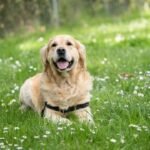
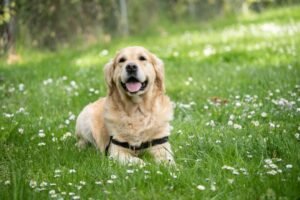
๐Ÿ• Golden Retriever

Temperament

Patient, gentle, eager to please. Goldens form deep bonds with their humans and famously suffer when left alone for long stretches. They're excellent with children of all ages, kind to strangers and almost universally good with other dogs and cats. Mild separation anxiety is common.

Exercise

Adult Goldens need 60โ€“90 minutes of daily exercise: walks, swims, retrieve and gentle hiking. They're built for endurance rather than speed. Puppies under 18 months should avoid impact (jumping, long jogs) to protect growing joints. Mental work โ€” scent games, basic obedience โ€” is just as important as physical activity.

Grooming

Long, double-coated with significant shedding (heavy seasonal moults). Brush 3โ€“4ร— a week with a slicker brush; daily during moult. Bathe every 6โ€“8 weeks. Check ears weekly โ€” long, floppy ears predispose to infection. Light trimming around the feet keeps things tidy.

Health

Cancers are sadly the leading cause of death in this breed โ€” particularly haemangiosarcoma and lymphoma. Also: hip and elbow dysplasia, subaortic stenosis, progressive retinal atrophy. Many breed clubs now recommend later neutering (12โ€“24 months) due to research linking early neutering to higher cancer rates.

Full Golden Retriever profile โ†’

๐Ÿฆฎ Labrador Retriever

Temperament

Outgoing, even-tempered and gentle. Labs are people-oriented to the point of being terrible guard dogs โ€” they tend to greet strangers like long-lost friends. They're known for their patience with children, tolerance of other dogs and "puppy-like" exuberance well into their adult years.

Exercise

Labs need 60โ€“90 minutes of vigorous daily exercise as adults โ€” running, swimming, fetch and scent work all suit them. Without enough activity they gain weight quickly (Labs are genetically predisposed to obesity) and develop destructive boredom. Two walks plus 20 minutes of off-lead play is a good baseline.

Grooming

A short, dense double coat that sheds year-round and "blows" twice a year. Weekly brushing keeps it manageable; daily during shedding seasons. Labs only need bathing every 8โ€“12 weeks. Don't shave a Lab โ€” the undercoat insulates against both cold and heat.

Health

Common issues: hip and elbow dysplasia (always check parental hip scores), exercise-induced collapse (genetic test available), progressive retinal atrophy (PRA-prcd test), bloat / GDV in deep-chested dogs, and obesity-related arthritis. Lifespan averages 10โ€“14 years; lean, active Labs can reach 15+.

Full Labrador Retriever profile โ†’

Which is right for you?

Pick the Golden Retriever if

Families with children of any age, owners home most of the day, anyone wanting a deeply affectionate dog.

Pick the Labrador Retriever if

Active families with kids, first-time owners, multi-pet homes, owners who enjoy outdoor activities or water sports.

Products both breeds would love

Free DeliveryOn orders over $100
Secure CheckoutStripe & Apple Pay
Easy Returns14-day return window
Real Human SupportMonโ€“Fri 7amโ€“10pm