 Ragdoll
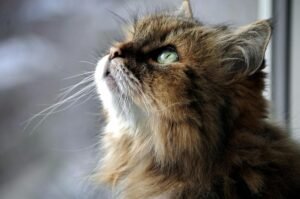
Famous for going limp when held. Affectionate, dog-like, brilliant with children.
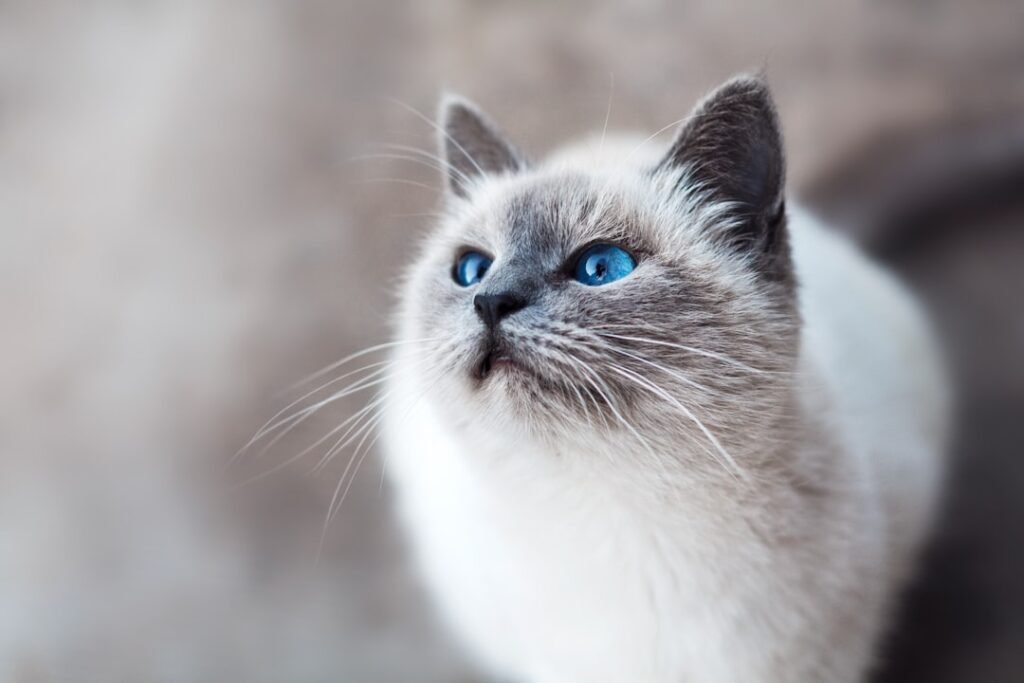
Photo: Mikhail Vasilyev / Unsplash
Developed in 1960s California by Ann Baker, the Ragdoll is named for its tendency to go completely limp and relaxed when picked up. They're large, affectionate, almost dog-like cats — known for following their humans from room to room and being unusually placid.
Temperament
Affectionate, calm, gentle, sociable. Ragdolls are famously good with children, other cats and dogs. They tend to be lap cats and dislike being alone for long periods.
Exercise needs
Moderate play needs. Two play sessions a day. Most adults are comfortable being indoor-only and benefit from cat trees, food puzzles and harness walks.
Grooming
Semi-long, silky coat that mats less than Persians. Brush 2–3× weekly. Bathe occasionally if needed.
Common health issues
Hypertrophic cardiomyopathy (HCM — DNA test essential). Polycystic kidney disease. Bladder stones. FIP (kittens). Hip dysplasia is occasionally documented.
👍 Best for
Families with children, multi-pet homes, first-time owners, indoor-only households.
👎 Not best for
Owners who want an aloof, low-attention cat.
Buying guides for Ragdoll owners
Recommended for Ragdoll owners


Buying guides for Ragdoll owners
Compare Ragdoll with…
Similar breeds
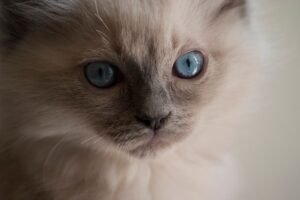
Birman
Sacred Cat of Burma. Calm, devoted, with white "gloved" paws and blue eyes.
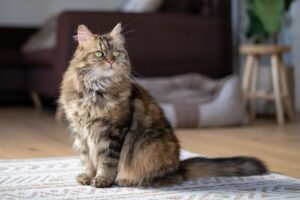
Maine Coon
Gentle giant of the cat world. Dog-like temperament, magnificent coat, big personality.
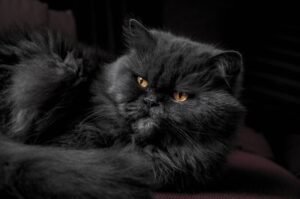
Persian
Glamorous longhair. High grooming demands and brachycephalic health concerns.
Siberian
Russian forest cat — sturdy, friendly, surprisingly hypoallergenic.