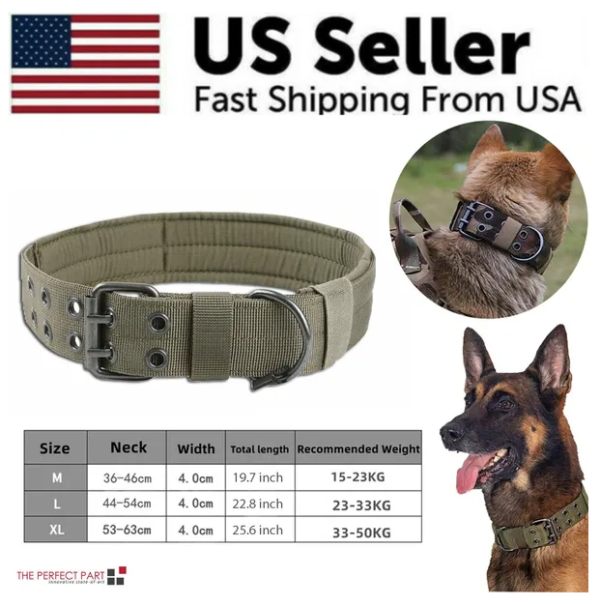

Built like kit, not like jewellery
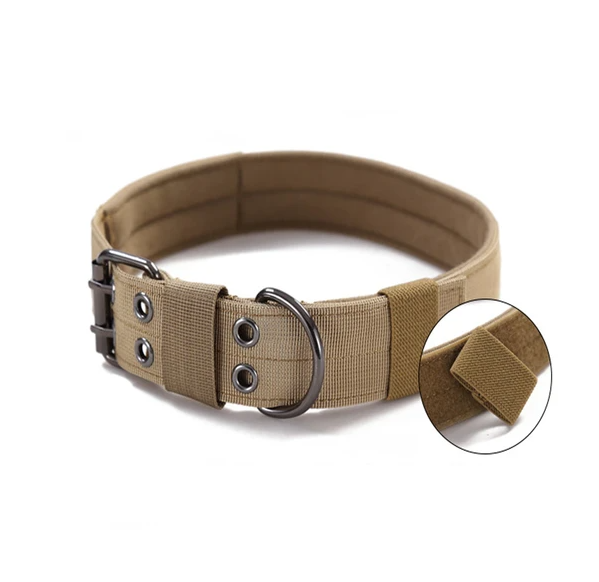
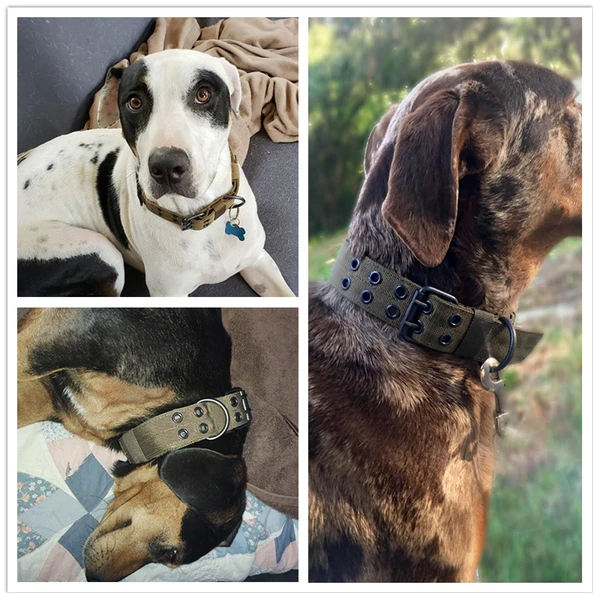
Most collars fail in one of two places: the plastic side-release buckle cracks, or the stitching pulls out at the D-ring. This one uses a metal buckle and 1000D nylon — the same heavy denier used for gear that gets dragged through undergrowth. If you have a large dog and you are replacing collars rather than outgrowing them, that is the difference.
The details that matter
- 1000D nylon webbing — abrasion resistance far beyond a standard flat collar.
- Neoprene lining so the width spreads pressure instead of digging in. A wide collar without padding is worse than a narrow one, not better.
- Metal buckle and hardware, rust-resistant.
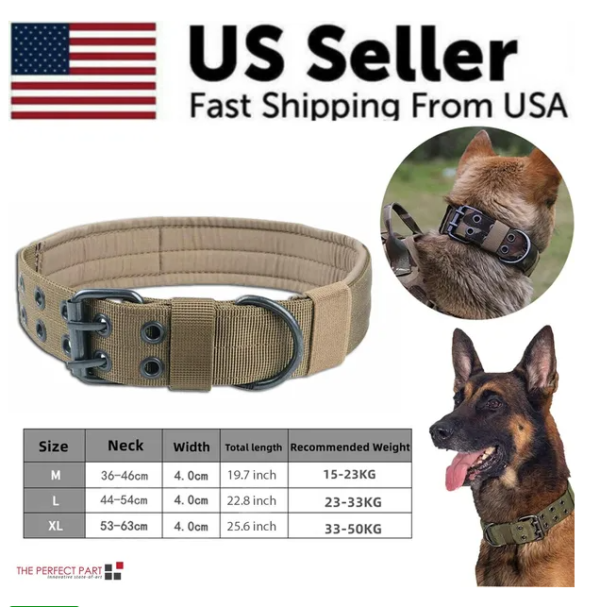
- 1.65in wide, sized M (neck 15.7–19.7in) and XL (neck 21.7–25.6in).
Measuring the neck
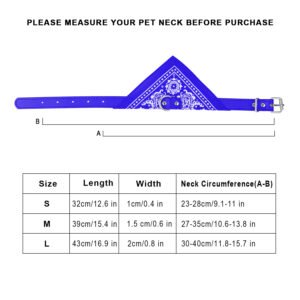
Put a soft tape around the base of the neck where the collar will actually sit, and add two fingers’ width. You want to slide two fingers flat underneath comfortably — tighter restricts, looser slips over the ears. Check it again after a week, and often on a growing dog.
Good to know
Colour and size availability is genuinely limited: Brown comes in M and XL, Green in XL only. Choosing a colour narrows the size list to whatever is actually stocked in it, so you cannot accidentally order a pairing that does not exist.
A stronger collar does not make pulling safe. Force on a collar goes through the throat, and for a dog that pulls hard that is a real risk to the trachea — use a harness for walking a puller and keep the collar for ID. This is also not the right collar for a small or fine-necked dog; the width alone is more than they need.

Reviews
There are no reviews yet.