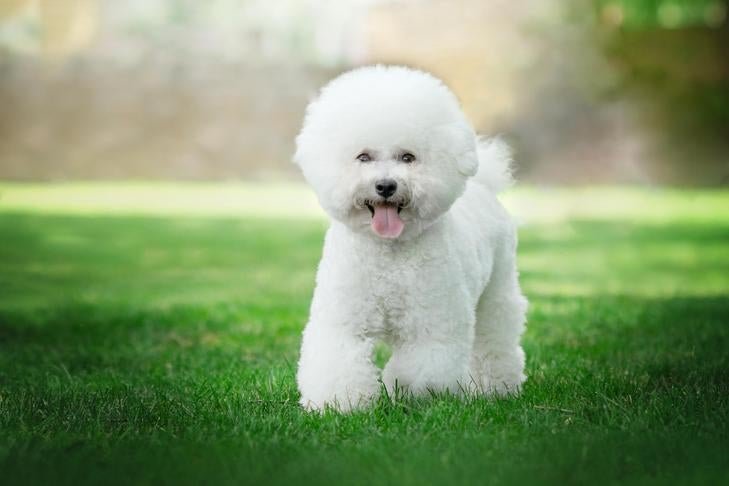
 Best Food for Bichon Frise (2026 Guide)
A breed-specific food guide for Bichon Frise owners — what to look for, what to avoid, and our top picks based on this breed's size, energy and known health profile.
The Bichon Frise is cheerful little fluff cloud. hypoallergenic, family-friendly, long-lived. Their nutritional needs reflect their 5–8 kg body weight, 14–15 years lifespan, and the breed-specific health considerations covered below.
Why feeding a Bichon Frise is different
Feeding the Bichon Frise well is mostly about avoiding the classic mistakes: overfeeding (especially in food-driven breeds), cheap fillers, and inappropriate life-stage food.
Allergies are documented in this breed. If you see itchy paws, ear infections or chronic GI upset, a 12-week elimination trial with a single-protein limited-ingredient diet is the diagnostic gold standard. Avoid "hypoallergenic" marketing — look for novel protein (duck, fish, kangaroo).
The Bichon Frise's coat needs omega-3 + omega-6 in roughly a 5:1 ratio for skin + coat condition. Fish-oil supplementation or a salmon-first food are the cheapest ways to get this right.
Below: a specific list of what to look for, what to avoid, plus our daily-calorie estimate for an average Bichon Frise.
What to look for in food for a Bichon Frise
- A complete-and-balanced food labelled for dogs that meets FEDIAF or AAFCO nutritional standards.
- Named animal protein as the first ingredient (e.g. "chicken", "salmon"), not "meat derivatives" or "animal by-product".
- A urinary-supportive formula or low-purine recipe — your vet can recommend a prescription line.
- A limited-ingredient diet with a single novel protein (duck, salmon, lamb) and limited carbs.
What to avoid
- Foods with high organ meat content (purines) and excess minerals.
- Foods with vague labels like "meat", "cereal" or "by-product" — common allergens hide in there.
- Anything containing onion, garlic, raisins, xylitol or chocolate flavouring (common kitchen toxins for pets).
For an exact daily portion based on your dog's weight and activity, use our food portion calculator. To check current weight is healthy, use the body condition score.
Feeding a Bichon Frise: common questions
How much should I feed a Bichon Frise?
A Bichon Frise typically weighs 5–8 kg, but the right daily amount depends on age, exact weight and activity — not the breed average. Start from the feeding guide on your chosen food (or our food portion calculator), weigh the portion rather than eyeballing it, and adjust to keep your dog lean enough that you can easily feel the ribs.
How many meals a day should a Bichon Frise have?
Two meals a day suits an adult Bichon Frise; puppies need three to four smaller meals until around six months, then settle to two.
What food is best for a Bichon Frise with allergies?
Bichon Frises can be prone to skin or food sensitivities. If you see itchy paws, recurring ear infections or chronic tummy upset, ask your vet about a 12-week elimination trial on a single novel-protein, limited-ingredient diet rather than trusting "hypoallergenic" labels.
Our top food picks for Bichon Frises

Related buying guides
📧 Email me this for later
We'll send you a link to this best food guide for bichon frise page so you can come back any time.
More buying guides for Bichon Frise
Health overview — Bichon Frise
Generally healthy and long-lived. Watch for: bladder stones (a Bichon problem — drink lots of water, monitor urine), Cushing's disease, allergies (skin and food), patellar luxation, dental disease.